

Huge auto auctions are good at a couple of issues, specifically presentation and drumming up some severe dream machines. However within the case of the upcoming Mecum Glendale, Arizona, public sale (March 28 to April 1), we felt there have been a couple of implausible bikes that didn’t obtain due credit score. Both underrepresented, or a bit inaccurate, it was our obligation to present these rides their time within the highlight.
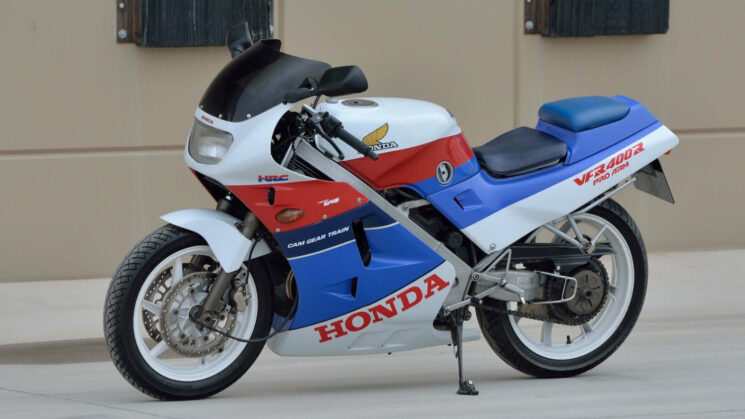
1987 Honda VFR400 NC24 When you had been a fan of sportbike racing within the late Nineteen Eighties, you most likely knew, and longed for, Honda’s VFR750R RC30. With a number of Sportbike World Championship titles, Grand Prix victories and a lap file on the Nürburgring’s Nordschleife loop, the RC30 had greater than confirmed its mettle, even into the early Nineteen Nineties. Costly and inbuilt restricted numbers, the RC30 wasn’t essentially the most sensible avenue machine for everybody. Honda had an answer for the motorsport lots, although, within the type of the scaled-down VFR400.
Honda unveiled the NC21 VFR in 1986, powered by a 399 cc, 16-valve V4 constructed within the spirit of the RC30. The bike was designed primarily for the Japanese market, the place the sub-400 cc engine skirted harder licensing laws for increased cc bikes. However don’t let that statistic idiot you, because the VFR400 has loads of chunk to match its bark.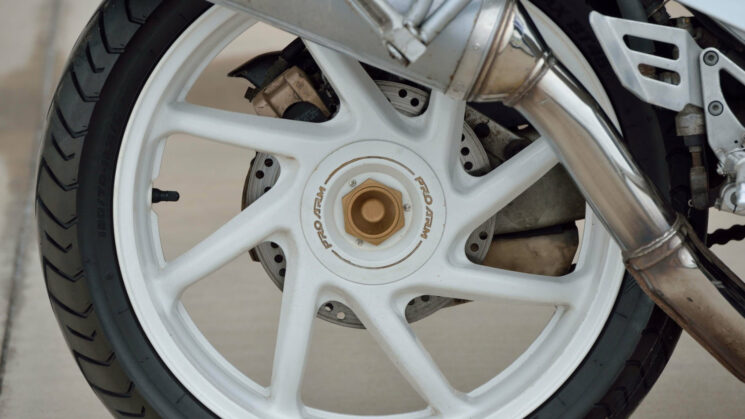
The 90-degree V4 is sweet for 59 hp at 14,000 rpm (within the NC24 model), and its valvetrain is operated by straight-cut gears that produce a big whine all through the rev vary. Honda additionally went to nice lengths to include all of the 750’s perspective into the VFR400, using related geometry that positioned the rider proper excessive of the 17-inch entrance wheel. Clip-on bars, rearsets and minimal upholstery meant that you simply rode it like a correct sports activities bike, and big dual-discs up entrance supplied confidence within the bends.
Out again, Honda integrated a single-sided “Professional-Arm” swingarm, making it one of many first firms to take action in a manufacturing bike. The rear wheel was affixed with 4 bolts (typically hidden by a plastic cowl), and the exhausts had been routed excessive to keep away from obstructing the eight-spoke forged wheel. Mecum’s Lot W7 seems to be a really unique, rider-quality NC24 VFR with simply over 36,000 miles on the clock. This gray-market instance is a uncommon sight in the USA, and its hammer value will definitely outpace your common 400 cc bike of the day.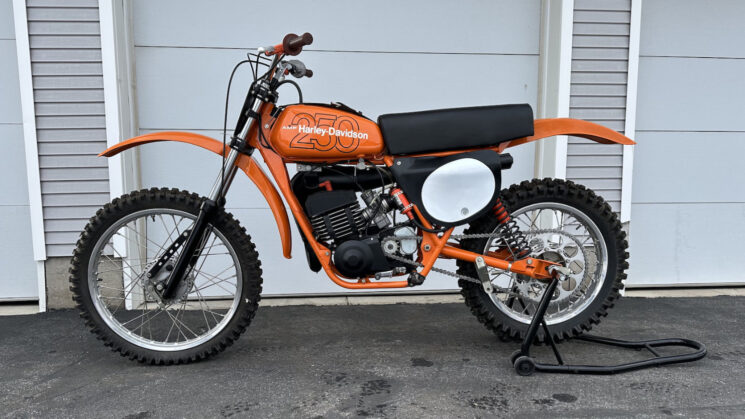
1978 Harley-Davidson MX250 It’s no stretch to say that Harley-Davidson has characteristically been set in its methods, however that wasn’t all the time the case. Again within the Nineteen Seventies, dozens of small cc bikes carried the HD nameplate from the acquisition of Italian Aermacchi, and snowmobiles hit the paths carrying AMF-HD decals. Making an attempt to money in on the booming motocross scene, Harley-Davidson poured a hefty funding into an all-out 250 cc motocrosser for 1978, dubbed the MX250.
Like some other two-stroke HD of the period, Aermacchi was tasked with the development of the MX250, however it proved to be an uphill battle. Preliminary makes an attempt in 1976 resulted in a slipshod trying bike, with an underpowered engine and a set of modified forks grafted onto the rear swingarm. Harley and Aermacchi returned to the drafting board with motocrosser Rocket Rex Staten on board to enhance this system, ensuing within the new ’78 MX250.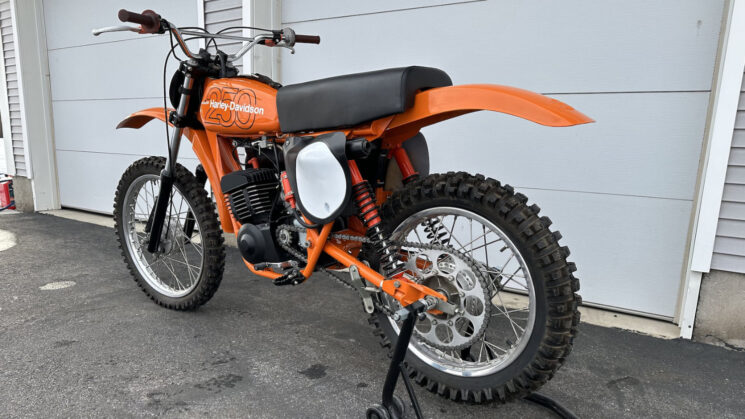
Trying like a way more severe contender, the brand new MX utilized a extra highly effective, 242 cc Aermacchi engine with a 38 mm DellOrto carburetor — good for 32 hp. The earlier rear suspension was ditched in favor of extra typical distant reservoir shocks within the rear, and KYB forks boasted 9 inches of journey up entrance. A light-weight aluminum gasoline tank was held on with a leather-based strap, and the chassis was strengthened all through.
The all-new Harley-Davidson MX250 was good, however sadly not all that good. Your 32 hp allegedly got here on like a lightswitch between 7,000 and 9,000 rpm, making it a bit unwieldy, and it was heavier and costlier than Japan’s aggressive 250s. Even with a workforce of factory-sponsored execs on board, the MX250 did not carry out, and Harley deserted its motocross desires (and Aermacchi all collectively) after 1978. Simply 900 MX250s had been constructed for the ’78 mannequin yr, and rumor is that many went unsold.
Whereas it wasn’t a win on paper (or on the rostrum), the MX250 is cool in my e-book for what it may have been, and its flashy ’70s MX seems. Mecum’s Lot W264 is alleged to be a ground-up restored instance utilizing NOS elements, and might be one of many nicest on the market. Barring any unexpected points, this one’s most likely price north of $7,000 right now.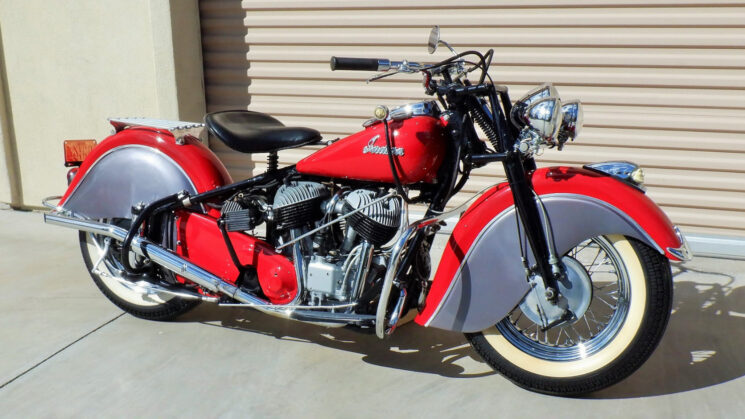
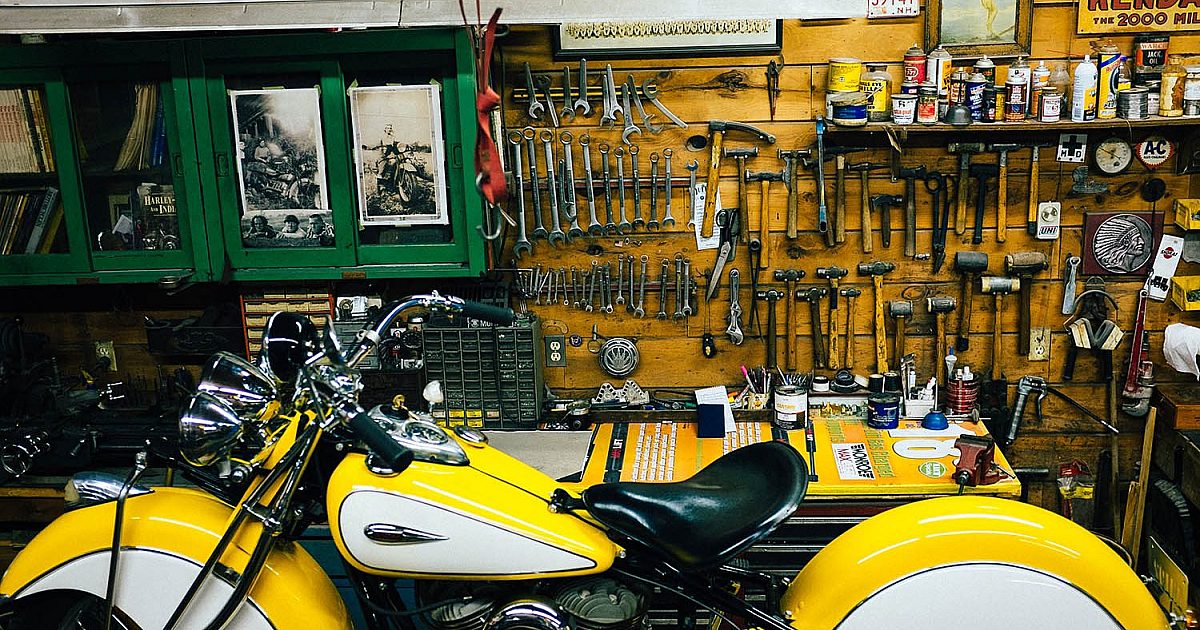
1948 Indian Chief An early Indian Chief is a kind of bikes that completely defies model loyalties. Gorgeous artwork deco affect shines by way of in its flowing bodywork and enveloping fenders, and chrome options abound. However as a lot because the 1948 Chief exudes American extra, the marque and mannequin had been in decline.
Regardless of quite a few makes an attempt at army contracts, Indian emerged from World Conflict II with comparatively little to indicate for its efforts. Adjustments in management adopted, and the Chief was the corporate’s solely providing for a pair years. The Chief was dropped from Indian’s lineup for 1949 in favor of smaller, extra inexpensive choices, earlier than making a quick comeback from 1950 to 1953.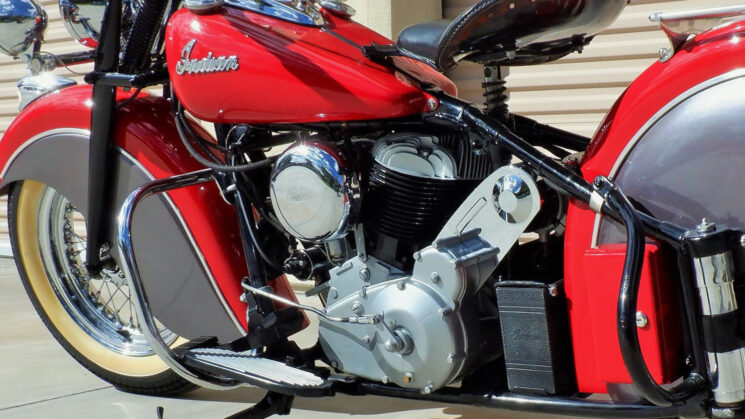
Inspecting a late ’40 Indian Chief from tip to tail, it’s troublesome to fathom the corporate’s monetary struggles. Enveloping finders and bodywork outclassed its competitors, together with all of the chromework, lighting and road-going options you could possibly ask for. Throw a leg over the Chief, and also you had been met with a big sprung saddle, sleek right-hand tank shift, full floorboards and a girder entrance finish. And till Harley-Davidson unveiled the Panhead in 1948, the Chief’s 74 ci twin was good for a similar 40 hp because the Knucklehead, and the Chief boasted a sprung plunger rear finish over the HD’s inflexible.
Possibly the Chief wasn’t ready for issues to return, as Harley’s ’48 Panhead would undertake telescoping entrance forks and one other 10 hp. However lately the Indian Chief is as cool because it will get, and an prompt “in” anyplace. A crown jewel match for any assortment, Mecum’s Lot T12 is a superbly restored instance with a numbers-matching engine and gorgeous two-tone paintwork.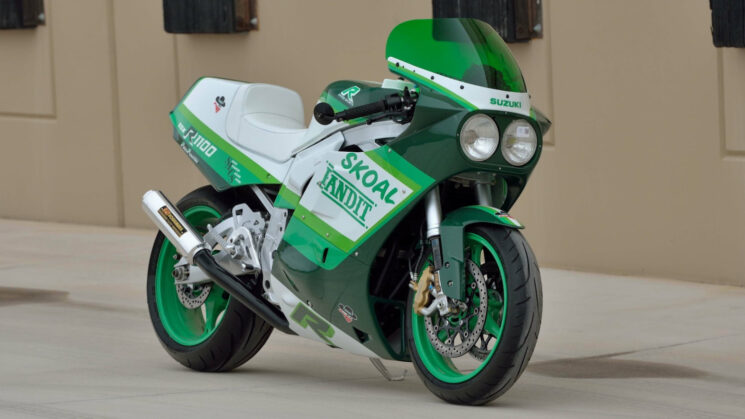
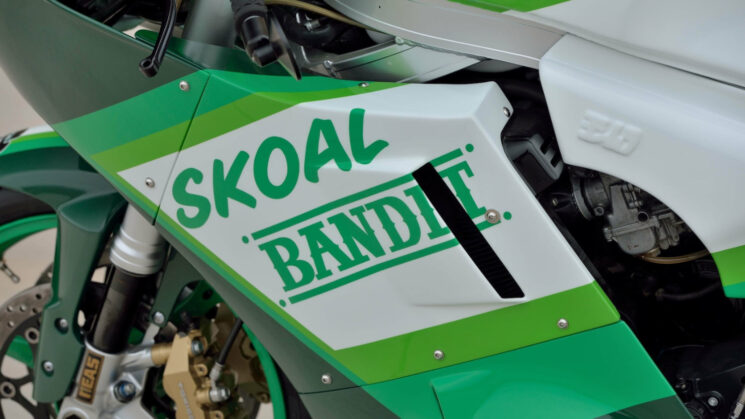
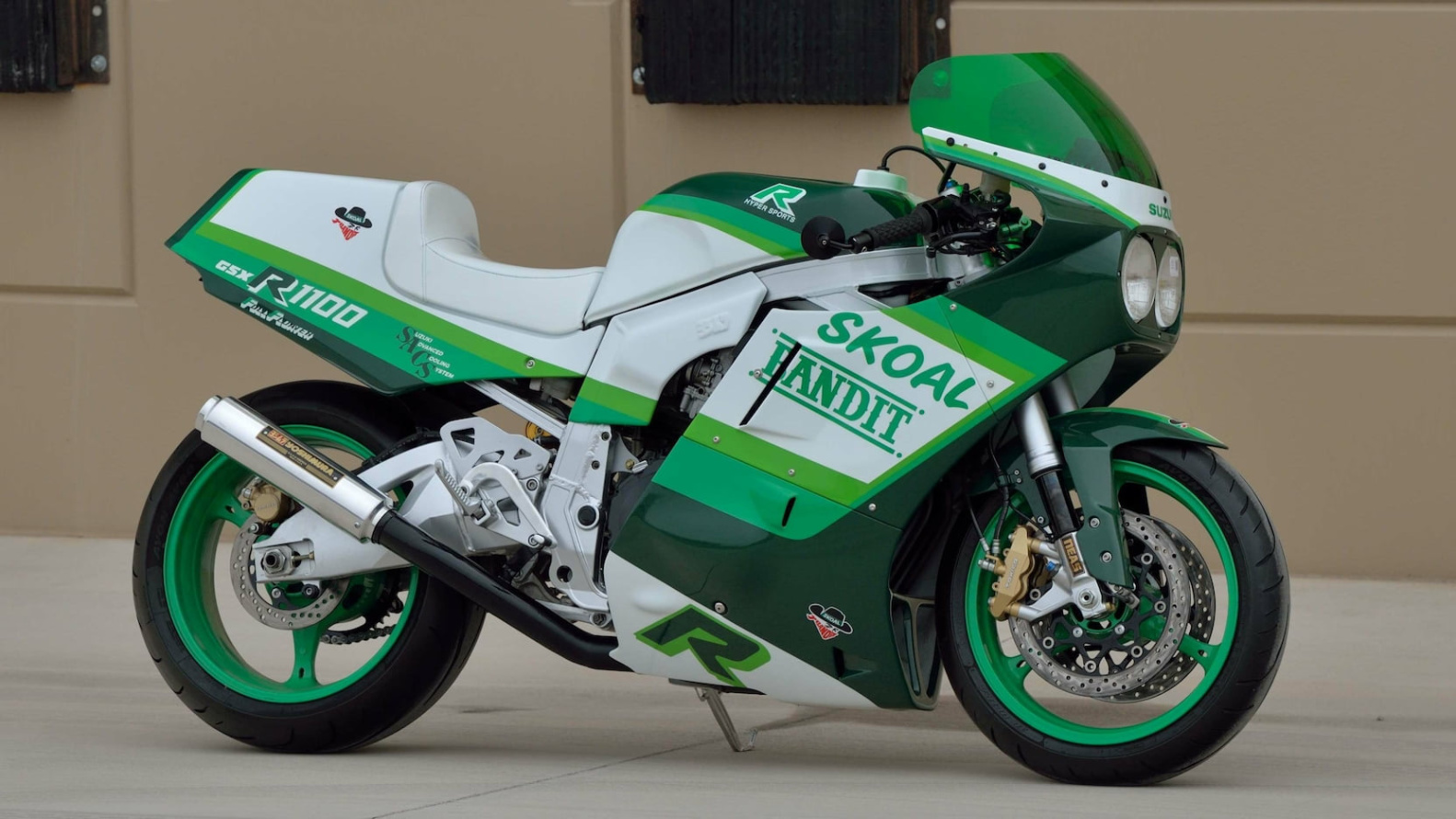
1986 Suzuki GSX-R 1100 Skoal Bandit There’s a grin-inducing impact that occurs once you apply liquor and tobacco sponsorships to a ’80s velocity machine — and that’s no Skoal reference. This 1986 GSX-R 1100 pays tribute to some of the iconic Suzuki Grand Prix liveries of the period — the Skoal Bandit.
With regards to two wheels, the Skoal livery is most frequently related to the Heron Suzuki workforce in 1985 and 1986. And whereas the workforce didn’t conquer the opposite producers in championship standings, the Skoal bandit was price celebrating, and a restricted variety of Suzukis left showroom flooring graced by the Bandit’s signature inexperienced and white. These bikes are very wanted right now, commanding costs north of $50,000 in some cases.
The looks of this 1986 Suzuki GSX-R 1100 was remodeled over a two yr interval right into a trustworthy Bandit tribute you see right now, together with tasteful efficiency mods from Yoshimura, Öhlins and Tokico. Most notable is the livery, hand-painted by Scott Johnson in Skoal workforce type. This GSX-R 1100 is obtainable by Mecum as Lot T16, should you can swallow the off-highway use title. [Photos Courtesy of Mecum Auctions, Inc.]