

The early Nineteen Seventies actually had been a golden period of motorcycling. Who can deny that the Kawasaki Z1 or H2, the unique SOHC CB750 and the Ducati 750 Tremendous Sport of the period aren’t icons? However the class of 1973 birthed some superb bikes which have turn out to be classics.
From race bikes to filth bikes, one thing was within the air in 1973. We had been all about to face an oil disaster, the heights of the Chilly Struggle, and the headiness of the disco period. However for bikes, 1973 was a yr that introduced us these true classics that are actually turning 50.
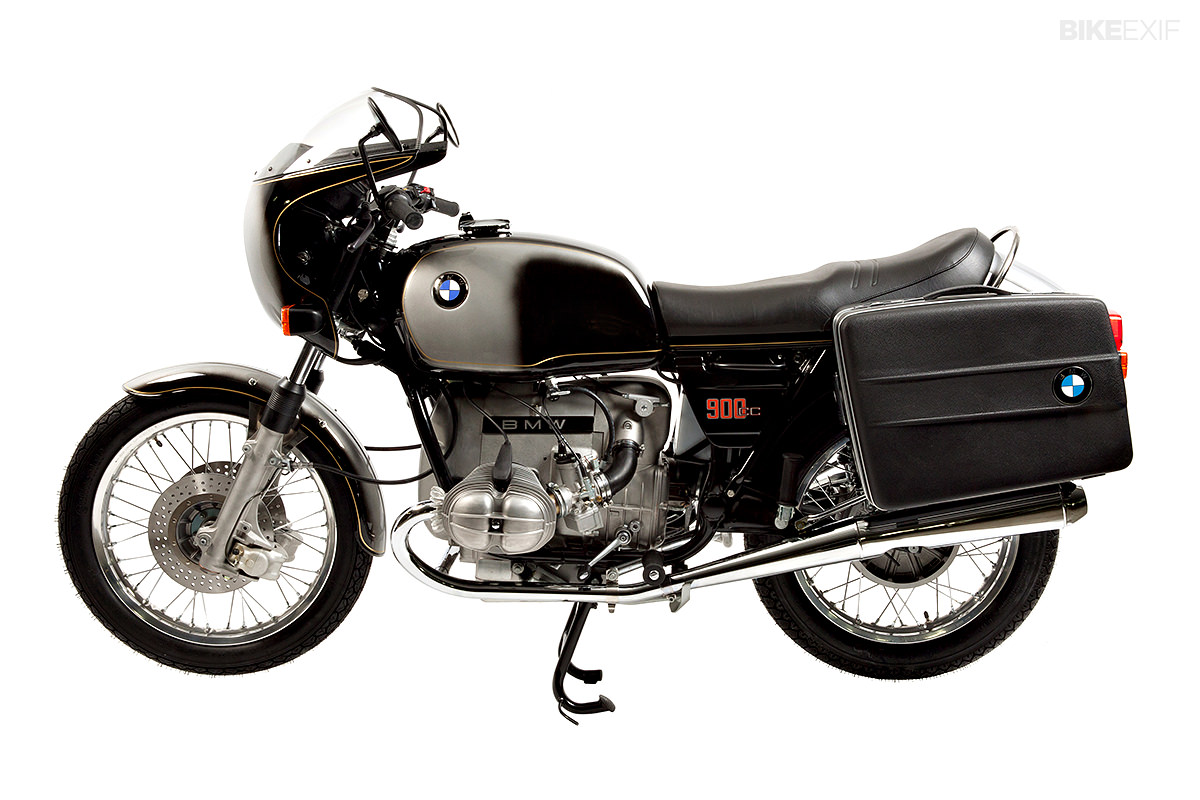
The BMW R90s
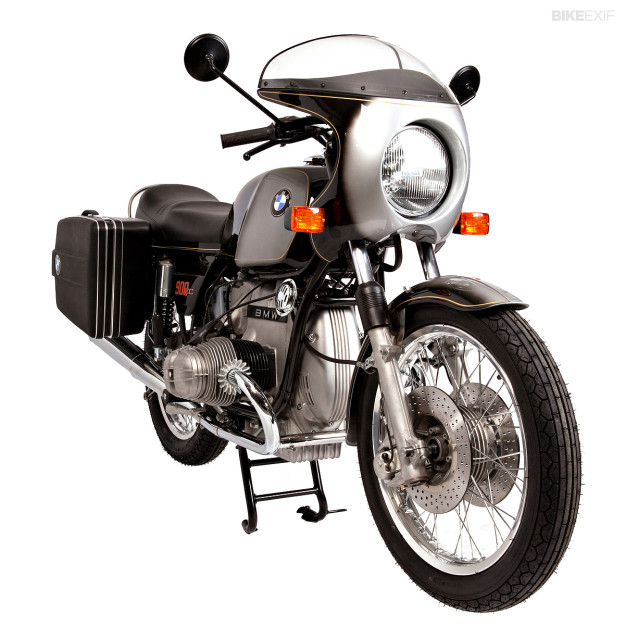 Expensive Hans Muth, thanks. Earlier than Muth got here alongside as BMW’s motorbike designer, BMWs got here in two colours: black or (often) white. However in 1973, wow. The BMW R90S confirmed up and confirmed us that BMWs could possibly be thrilling with two-tone light paint jobs, sportbike efficiency, and (gasp!) a bikini fairing.
The R90S backed up that great new paint job with a bigger engine that was basically a bored-out R75/5 engine. It made extra energy, extra torque, and extra smiles, and the R90S has gone down in historical past as BMW’s first superbike. Although the 1973 model is gorgeous, later variations got here in Daytona Orange, a coloration that Muth created to rejoice the bike’s win at Daytona in 1976. Muth went on to pen the R65 LS, the primary R 80 GS, and later the futuristic Suzuki Katana sport bike, however the R90S could possibly be his masterpiece.
Laverda 1000
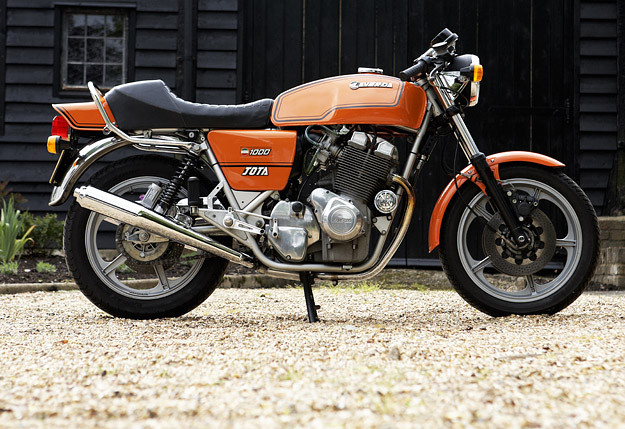
We don’t hear a lot about Laverda as of late, and that’s a disgrace. In 1973, Laverda made severe waves with the attractive 1000 that would prime 135 mph. Laverda threw all of its mechanical wizardry on the three-cylinder 981cc mill, together with a really Kawasaki-like double-overhead-cam design, to make a severe Z1 competitor.
In comparison with at present’s bikes, the 1000 was under-sprung, it had sketchy electronics, and weak brakes. In 1974, nevertheless, Laverda up to date the bike with higher brakes and forks, then the 1000 morphed into the Laverda Jota, the quickest manufacturing motorbike of its period. Laverda confirmed that gutsy pilots may take a giant, heavy, bruiser of a motorbike to unreal speeds and live on. The 1000 was so good, it remained in manufacturing till 1988.
Yamaha RD350
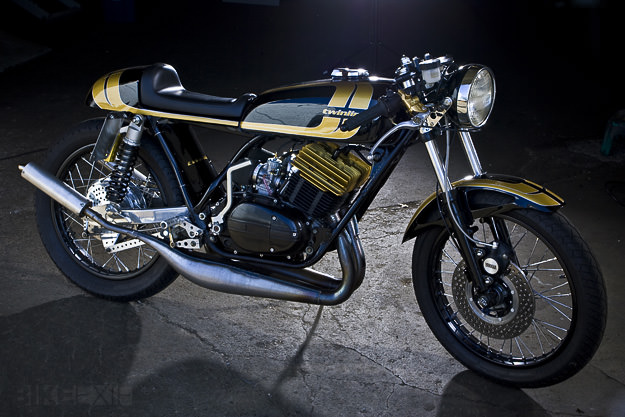
I as soon as had an RD350, and I can guarantee you that all the good (and a number of the unhealthy) of those bikes is all true. There’s nothing like the push of a two-stroke engine when it hits the facility band, the odor of blue smoke, and the short dealing with of the RD collection bikes. Immediately, 39 horsepower doesn’t sound like so much, however in 1973 it was loads, particularly whenever you issue within the bike’s tremendous mild weight of simply 350 kilos.
The 1973 RD was a efficiency machine, the equal of at present’s R6, and that was no mistake as RD stood for “Race Developed.” It grew into the RD400, and later the RZ350, whereas the Banshee 350 ATV used basically the identical motor by way of 2012. For pure motorcycling enjoyable, it’s exhausting to beat the two-stroke RD for conventional gas-on, choke-on, hit-the-key and kick-it-to-life thrills.
MV Agusta 500 4
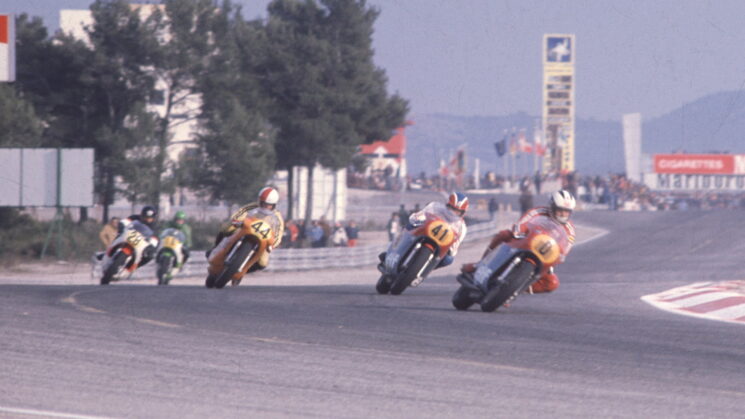 In 1973, road bikes had been solely a part of the enjoyable. There was intense competitors on the race observe, too. MV Agusta was making an attempt to maintain its successful streak alive regardless of main competitors from new Japanese two-stroke bikes just like the Yamaha YZR500, that was additionally new for 1973. Giacomo Agostini made MV Agusta well-known for successful consecutive World Championship titles aboard the Tre, or the MV Agusta 500cc Three. However by 1973 it was clear that with a brand new rider in Phil Learn, and extra competitors, that MV Agusta wanted a brand new bike.
The corporate labored with its helicopter division to plan a four-cylinder four-stroke engine that appeared to suit Learn like a glove. With two races to go within the season, Learn had racked up sufficient factors to win the championship on the brand new 500cc four-cylinder, and he went on to win in 1974, too. It doesn’t harm, both, that the five hundred 4 is achingly stunning to take a look at with its slab-sided fairing and that it sounds wonderful.
Honda CR125
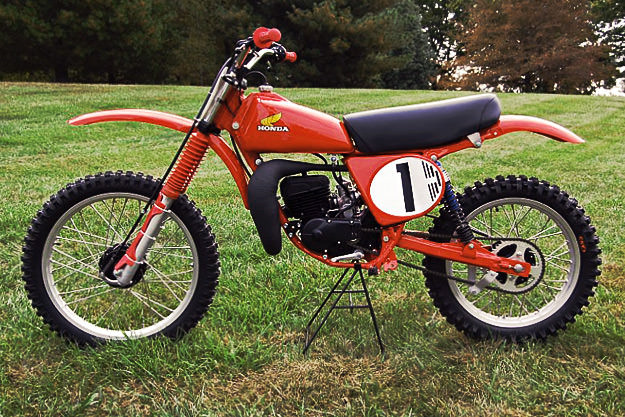
The CR125M was launched in 1973 as a 1974 mannequin and it set the filth bike world alight. It’s exhausting to understate how necessary this bike was to a whole technology of people that realized to journey and race (like on the RC125 reproduction above) on this light-weight filth bike. Honda as an organization shied away from two-stroke engines, and Soichiro Honda famously mentioned his firm would by no means make a two-stroke filth bike. However the CR125 got here alongside anyway and put smiles on 1000’s of faces for 34 years.
Some say that the filth bike increase of the Nineteen Seventies and Eighties was created by the Honda CR125 as a result of it was low cost ($750 new), dependable, and simple to journey quick. After all, we’re not forgetting concerning the CR250M Elsinore that was additionally launched in 1973. Whereas that bike went on to racing success and a protracted profession, too, the CR125M was so widespread and so good, Honda produced it with solely minor adjustments up till 2007.