

rewrite this content and keep HTML tags
Nobody gets into motorcycles hoping to buy a pickup truck. You bought the bike because it was the cheap and interesting way to get around, and then at some point you need something that can carry the bike rather than be the bike. That purchase usually lands at a bad moment, right after you have spent real money on tires or a track day entry, which is the main argument for doing it cheaply. A hauler is also one of the few vehicles you get to buy on pure function, since nobody is going to admire it and it only has to do one thing well.
The Day You Need Four Wheels
 Credit: Motoloader
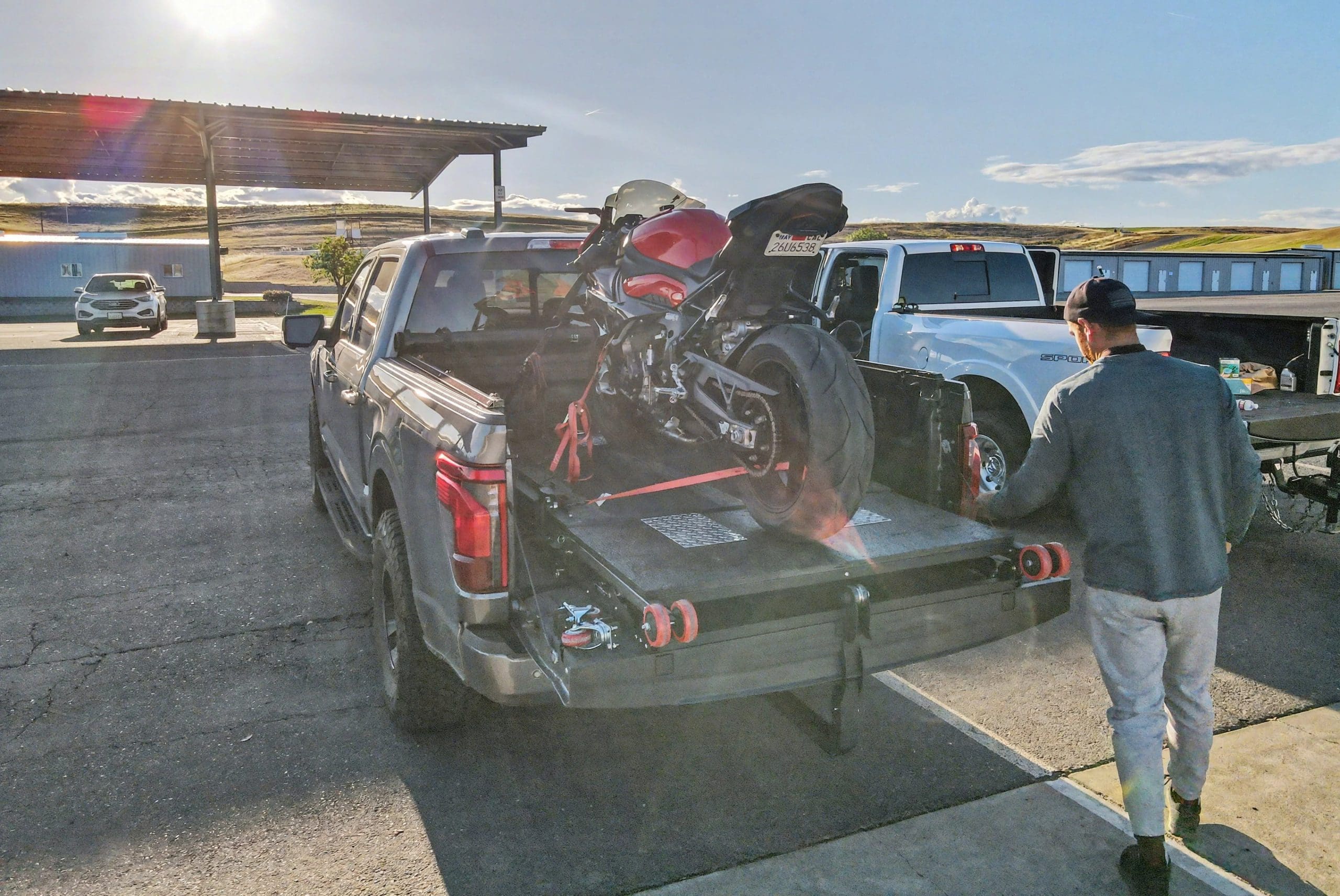
Track days are the usual trigger, because riding to the circuit, running your tires down all day and then riding home on whatever is left of them works fine until the afternoon it does not. Project bikes are the other common reason, since non-runners are cheap because the seller wants them out of his garage and they are hardly ever within pushing distance of yours. After that come the odd jobs. A bike has to go into winter storage across town, or you buy one a few states away with no plate on it. Renting covers a fair amount of this, and once it starts happening more than a couple of times a year the rental receipts stop adding up.
What Matters in a Hauler, and What Doesn’t
 Credit: Ford Maverick Hybrid Only
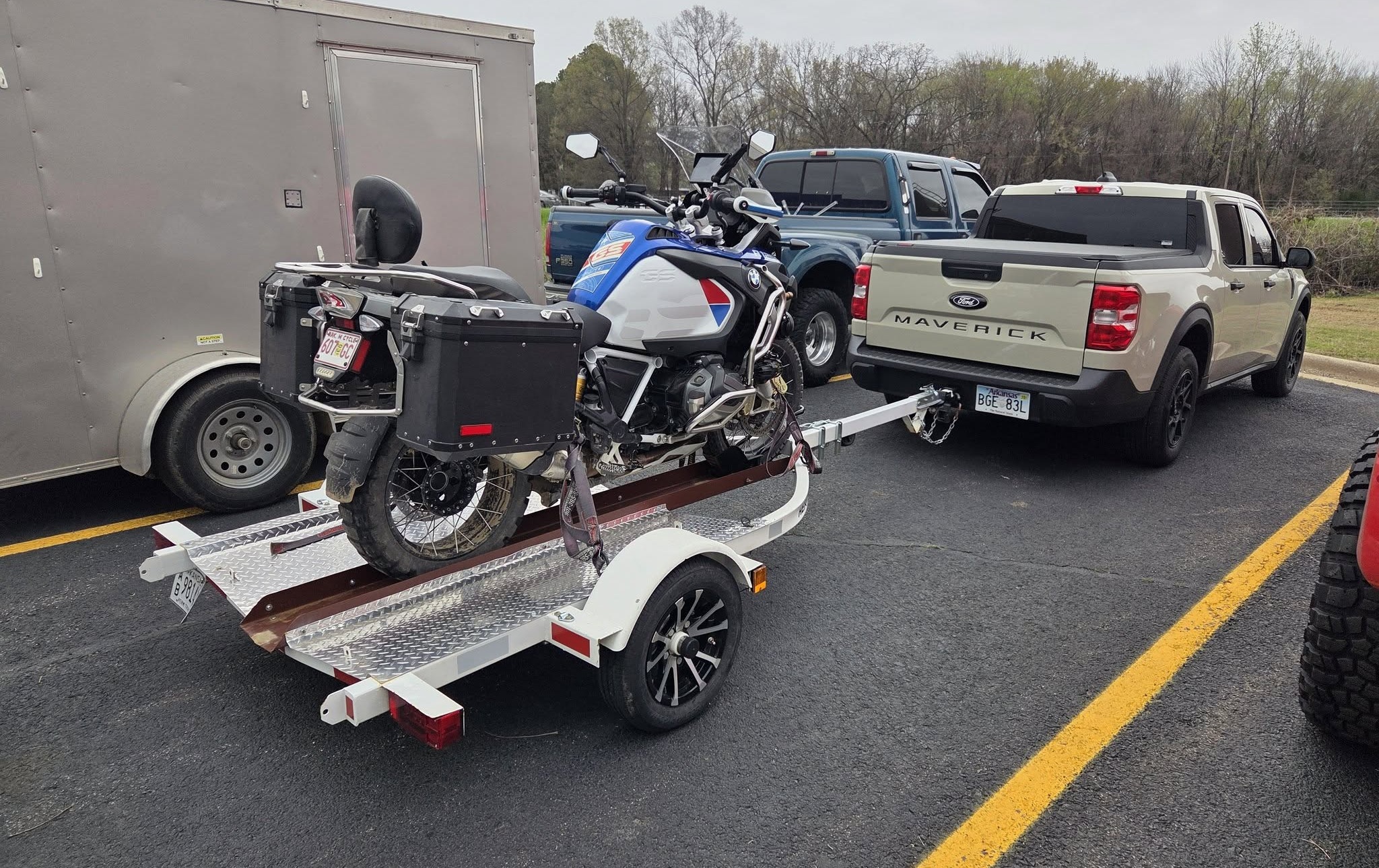
Payload is the figure to shop on, and most buyers never look at it. Open the driver’s door and read the sticker on the jamb, which NHTSA requires and which lists the combined weight of occupants and cargo the vehicle was built to carry. Everything counts against that number, including you, a passenger, the ramp, the chock, the straps, the gear bag and the bike. A big touring bike can weigh more than 800 pounds ready to ride while a middleweight sportbike sits closer to 450, so run the arithmetic with your own bike before you start reading listings. A half-ton pickup that looks like far too much truck for one motorcycle often turns out to be about right.
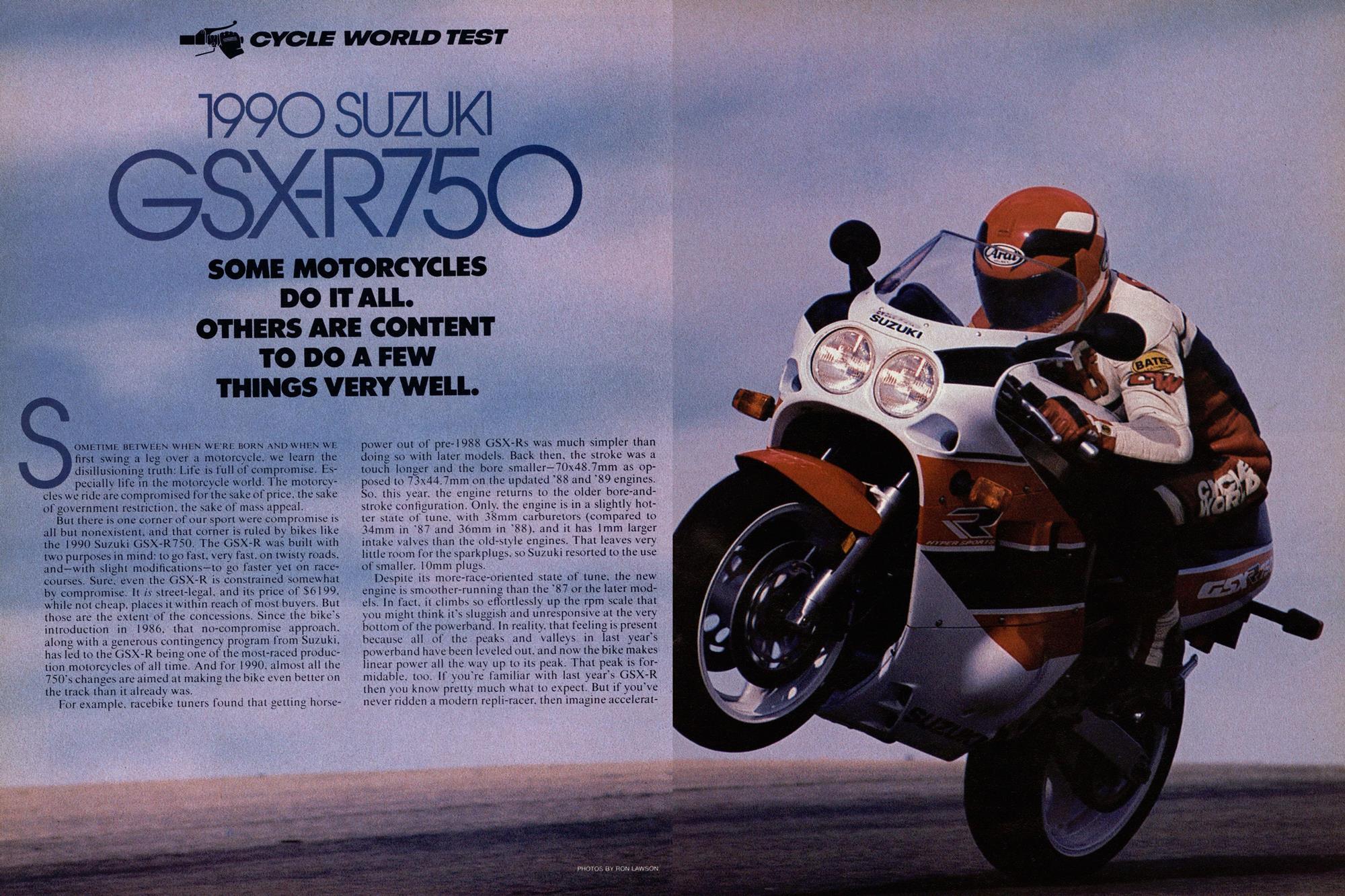
 Credit: Cycle World
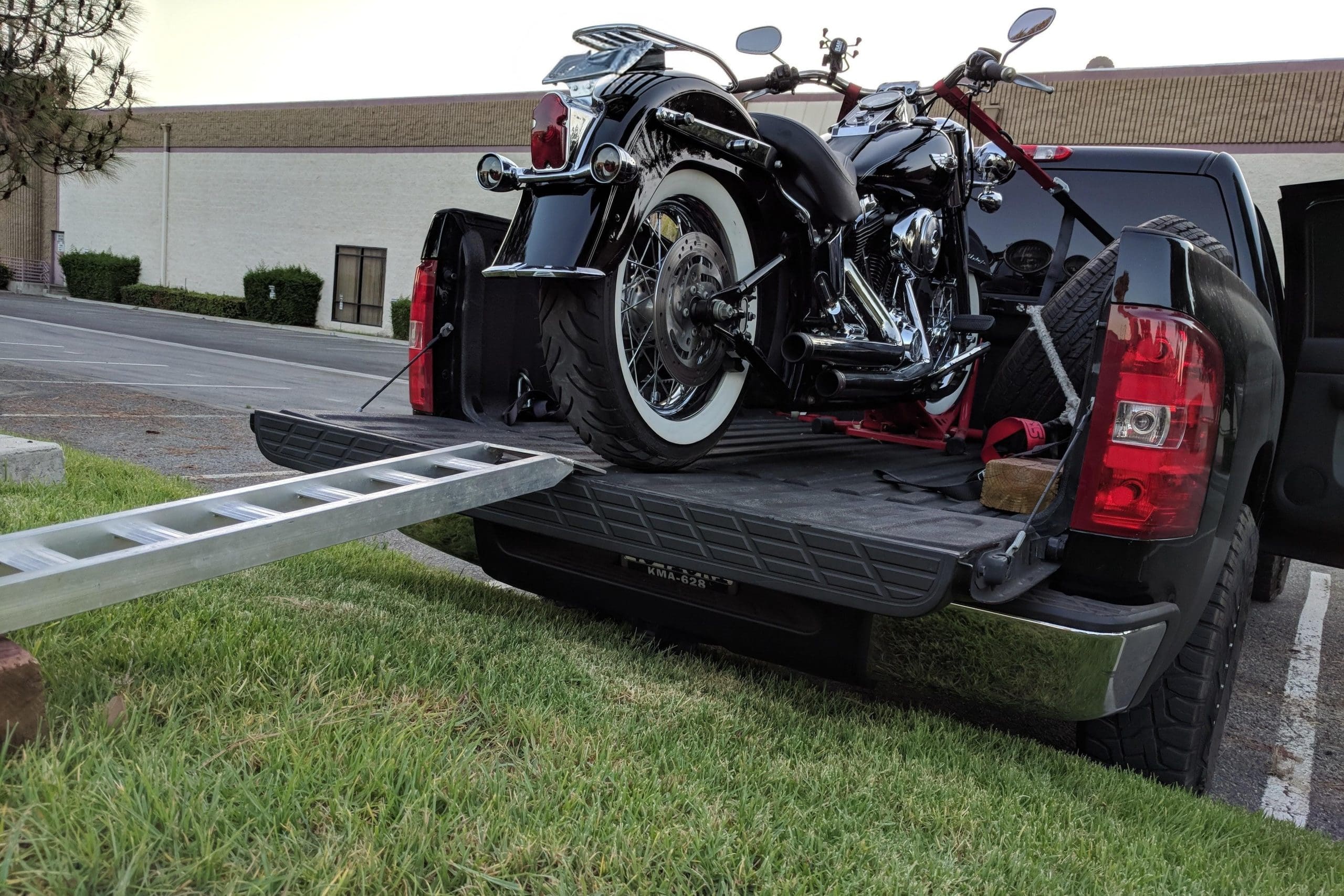
Bed length and bed height decide how irritating the job will be. Most street bikes measure seven to eight feet long and a modern short bed runs five and a half, so the tailgate comes down and the rear wheel rides on it, which works and which plenty of people do. Height is the part that actually hurts, and lifted trucks are worse, because a steeper ramp means more speed to get up it and less control at the top. webBikeWorld’s own flatbed trailer review makes that point, since the author passed on the truck bed idea to avoid pushing a bike up a long ramp to tailgate height. If you buy a truck anyway, budget for an arched ramp or look at the self-loading ramps that do the lifting for you.
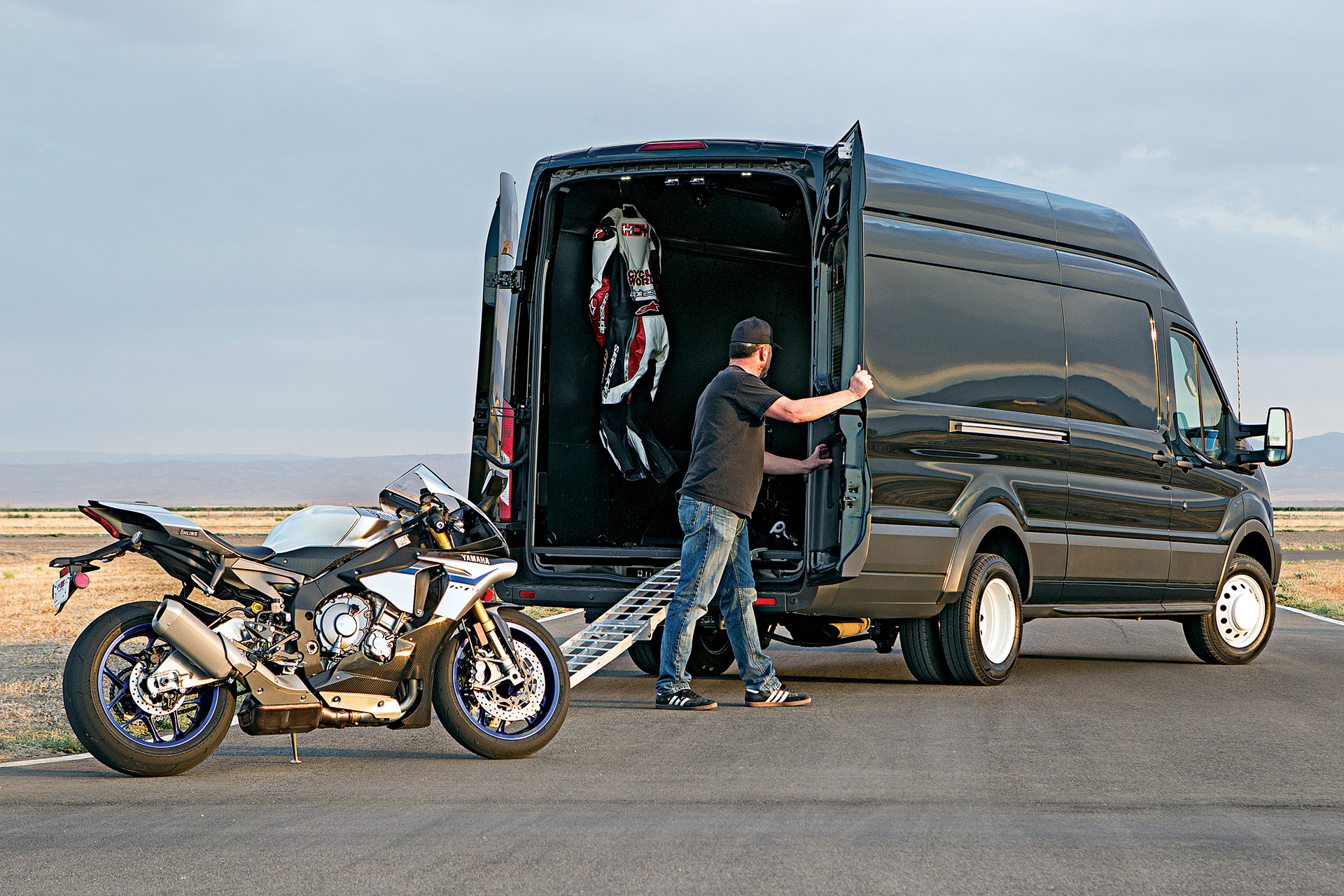
Cargo vans are worth a look for the same money. The bike stays dry and out of sight overnight, and used vans tend to be cheaper than trucks of similar age because almost nobody buys one for pleasure. You give up visibility out the back, and ventilation matters with a hot exhaust in an enclosed space. What you can ignore is most of what the used market charges extra for. Trim level, badge, paint, leather, the sunroof and the four wheel drive you will never engage add money to the purchase and nothing to the work.
Why Clean Title Is the One Thing You Don’t Compromise On
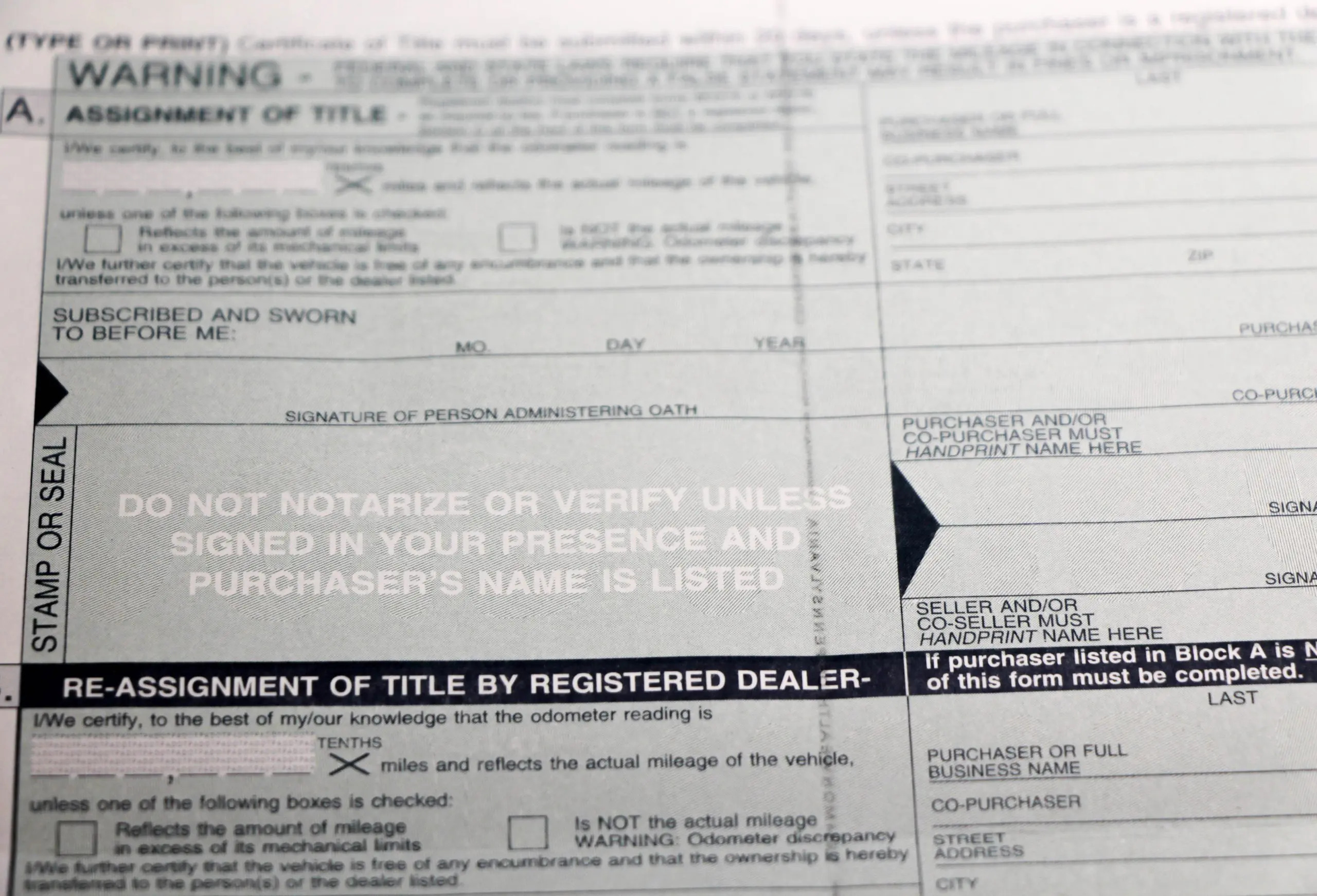
Riders get relaxed about branded titles, and for good reason. A bike goes on a stand, you sight down the frame, look hard at the headstock and make your own judgment about the repair. It is your neck and you can see what is holding it up. A two-ton vehicle hides all of that, because the structure sits behind trim and sheet metal and anything repaired after a serious hit stays invisible unless you pull the interior apart. That vehicle is going to be carrying your bike at 70 miles an hour, possibly with people in the back seats.
The money argument lands in the same place. A branded title complicates insurance and takes more off the resale price than the discount ever gave you at purchase, and resale matters here more than on most vehicles, because the hauler is something you plan to get rid of the moment you stop needing it. Filter for clean title auction cars from the beginning instead of sorting through everything and then talking yourself into a rebuilt bargain. Auctions are where the cheap clean-title stock sits, since a lot of it arrives through lease returns and repossessions rather than through crashes.
Buying It Without Getting Burned
 Credit: Unsplash
Write your number down before the bidding starts and treat it as a ceiling rather than a target. Auction pacing is built to feel urgent and it works on nearly everyone, so that note is what keeps you honest. Know the fees as well, because buyer’s premiums and documentation charges ride on top of the hammer price and are not always spelled out until the invoice arrives. Ask the office for the fee schedule before you register, then take that money out of your ceiling.
Price the transport too, since anything that doesn’t run has to be trailered home and that cost belongs in your math before you bid. Read the condition report closely and treat the gaps as information, since photographs exist to sell and a report that says nothing about the transmission is not telling you the transmission is fine. Run the VIN yourself while you are still deciding, which costs a few dollars and occasionally saves you the entire trip.
Once the thing is yours, go back to the door jamb and read that sticker again with your own bike and gear in mind, then buy the ramp and straps to match what you are actually carrying. That was the whole point of the purchase, and the sooner the truck starts earning its keep the sooner you forget you had to buy one.