

rewrite this content and keep HTML tags
Today, we have a brilliant list of to-do’s as everybody continues toward the riding season’s slow-downs:
- Canada and the U.S. have locked horns in a fresh trade dispute, placing a 50% counter-tariff on American heavyweight bikes.
- Moto Guzzi’s historic Mandello del Lario headquarters has officially reopened after a comprehensive €50 million renovation.
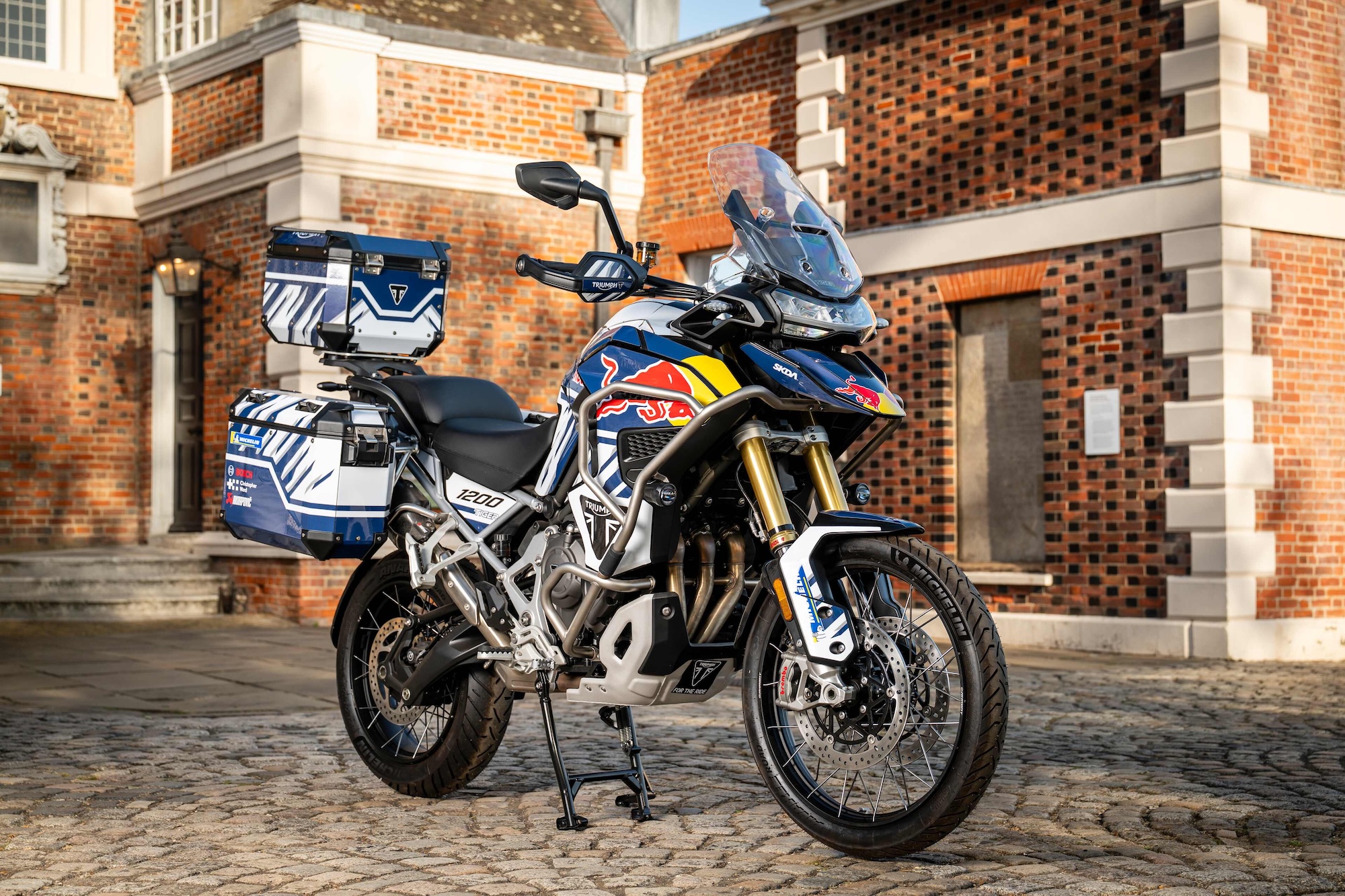
- Dakar champion Sam Sunderland is underway on an 18,000-mile world circumnavigation attempt, aiming to break the standing two-wheel record in under 19 days aboard a Triumph Tiger 1200 Rally Explorer.
- The Isle of Man TT has formally announced the retirement of the Supertwin class starting in 2027, introducing a Balance of Performance (BoP) Sportbike formula to curb costs and welcome factory support.
Might as well start with those tariffs since they’re still there, yeah?
What The Newest List of Tariffs Means for our Riding Community
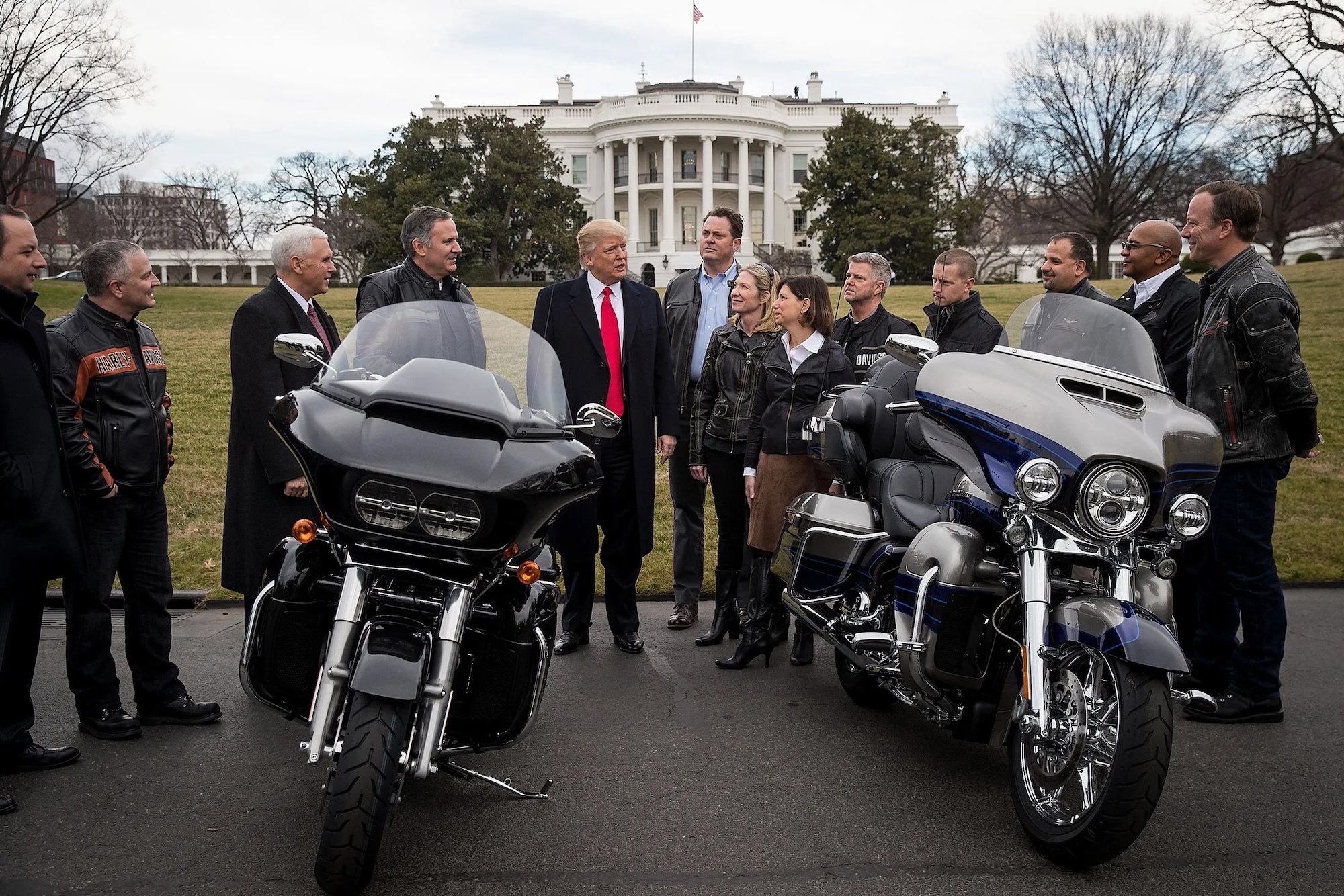
We have news of a new trade dispute between Canada and the United States rolling straight into local dealership showrooms, and – unfortunately – it seems like it’s finally the big bikes that are caught up in the middle of things.
On September 8, 2026, the Canadian government put a 50% import tax on US-made gas motorcycles with engines over 800cc. In response, we have a post from the Whitehouse detailing how the U.S. government plans to ban imports of certain Canadian powersports products starting September 29th of this year.
How does this affect riders? Well, this new tax does not touch small commuter bikes, dual-sports, or electric motorcycles (like LiveWire). It targets large cruisers and touring bikes, specifically, anything over 800cc. This means that OEMs like Harley-Davidson and Indian Motorcycle will take the brunt of the tariffs, with other companies like Triumph, Honda, Kawasaki and Yamaha feeling the pinch for each of their flagship liter bike offerings.
Naturally, the cost to bring these bikes into Canada has jumped overnight. Dealers and distributors cannot pay a 50% tax on a $30,000 bike out of their own pockets, which means that we expect buyers to see higher price tags in showrooms if the tariffs aren’t alleviated in the near future.
In Canada, we are told that roughly 900 dealerships and 88,000 jobs rely on the powersports business. Dealer group and national, non-profit trade association Moto Canada has detailed in a press release of their own that they are asking the government for clear rules so customer orders and bikes already on their way do not get stuck at the border (see the full press release at Moto Canada here).
Here are a few points to consider before going into the market to purchase a bike while the most recent circa-Sept. 8 tariffs are ongoing:
- If you already own a big American cruiser in Canada, your used bike may become worth more because brand-new ones cost much more to buy.
- Japanese and European brands that build bikes outside the US do not have to pay this tax, giving them a big price advantage over US-built cruisers.
- Bikes under 800cc do not face this extra tax, which could lead more riders toward lighter middleweight bikes, cafe racers, and scramblers.
Bottom line, until both governments reach a deal, riders shopping for a new big-cc cruiser will find the best prices on bikes already sitting on dealership showroom floors.
Be prepared for nostalgia to carry a higher price tag, my friends.
Read the full report and other industry updates over at Powersports Business.
Moto Guzzi’s Refreshed Mandello Factory is Finally Open
A €50 Million Overhaul Welcomes Robots, Drones, and Lake Como Pilgrims
If you’ve ever harbored romantic dreams of piloting an Italian twin along the misty shores of Lake Como, you probably already know the hallowed ground of Mandello del Lario. For 105 continuous years, Moto Guzzi has bolted together its machines on this very same plot of lakeside soil – and now, after five long years of architectural overhaul (and a substantial investment crossing €50 million), the Eagle’s nest has taken on a fresh new lean for the years to come.
According to Motorcycle.com, Piaggio Group has officially cut the ribbon on a massive modernization of Moto Guzzi’s historic facility, timed to inaugurate Moto Guzzi World Days 2026. We are told that the effort could not be completed without the sizeable talents of American architect (and Piaggio Fast Forward chief) Greg Lynn. While the project expands the industrial complex to 38,000 square meters, the iconic 1921 red gate on Via Parodi remains firmly in place, standing alongside Carlo Guzzi’s restored 1950 wind tunnel.
Past that historic red portal, fresh engine assembly lines feed a robotized overhead conveyor network, allowing Moto Guzzi’s annual manufacturing capacity to soar past 30,000 motorcycles, all percolating underneath 1,300 square meters of photovoltaic (solar) panels mounted to the factory’s roof. Cooler still, at the end of the line, autonomous four-wheeled “kilo” ground drones (built in Boston by Piaggio Fast Forward) carry freshly assembled bikes straight to the final testing bays to spare line workers the heavy hauling.
Of course, the new factory facelift wouldn’t be complete without a brand-new 3,000-square-meter exhibition hall housing over 160 bikes, including the company’s foundational 1919 G.P. prototype and 14 Grand Prix title-winning race rigs.
Mandello seems ready for the next hundred years, and we couldn’t be happier to see motorcycles being supported in the way they deserve. 🙂
To view the campus layout or plan your pilgrimage to the new exhibition hall, roll over to the official Moto Guzzi Event Portal.
For the Record: Dakar Champ Sam Sunderland Attempts Around the World in Under 19 Days
Brought to you by Red Bull and a Triumph Tiger 1200 Rally Explorer
On September 5, Sunderland clicked into gear at Greenwich, London, on the iron-butts of all iron-butts: This guy is going to try to circumnavigate the globe on two wheels in under 19 days – well, 19 days, 8 hours, and 25 minutes, to be exact.
This grueling record was last achieved in the year 2002 by fellow British civilians Kevin and Julia Sanders; to beat this duo, Sunderland’s distance marker will have to log over 18,000 tarmac and trail miles, averaging out to over 1,000 miles and up to an eye-watering 17 non-stop hours in the saddle. As if this feat wasn’t wild enough, we are told by Red Bull that Sunderland is completing this trip while recovering from three fractured vertebrae acquired during a training crash.
Anyways.
The rules of this record challenge are straightforward: Sunderland must display continuous travel in one direction, touching antipodal points on opposite sides of the earth, and finishing on the exact same motorcycle. Ocean hops happen via air freight, but the roadwork is pure Sunderland (or torture, take your pick).
In the first leg of the journey, Sam intends on leaving Greenwich to travel through France, Italy, Slovenia, Croatia, Serbia, Bulgaria and Istanbul, air-freighting past the Middle East through Bangkok. From Bangkok, Leg 2 takes Sunderland south to Kuala Lumpur, followed by a flight to Australia where Leg 3 cuts across the continent from Perth to Sydney.
Leg 4 covers New Zealand from Christchurch to Auckland before a crossing over the Pacific for Leg 5 – the route’s longest overland stretch – where Sunderland will have to ride from Vancouver past the Bonneville Salt Flats to Montreal. Once there, Sunderland will have to hop the Atlantic and head north from Casablanca through Spain and France, closing the 18,000-mile loop right back at Greenwich.
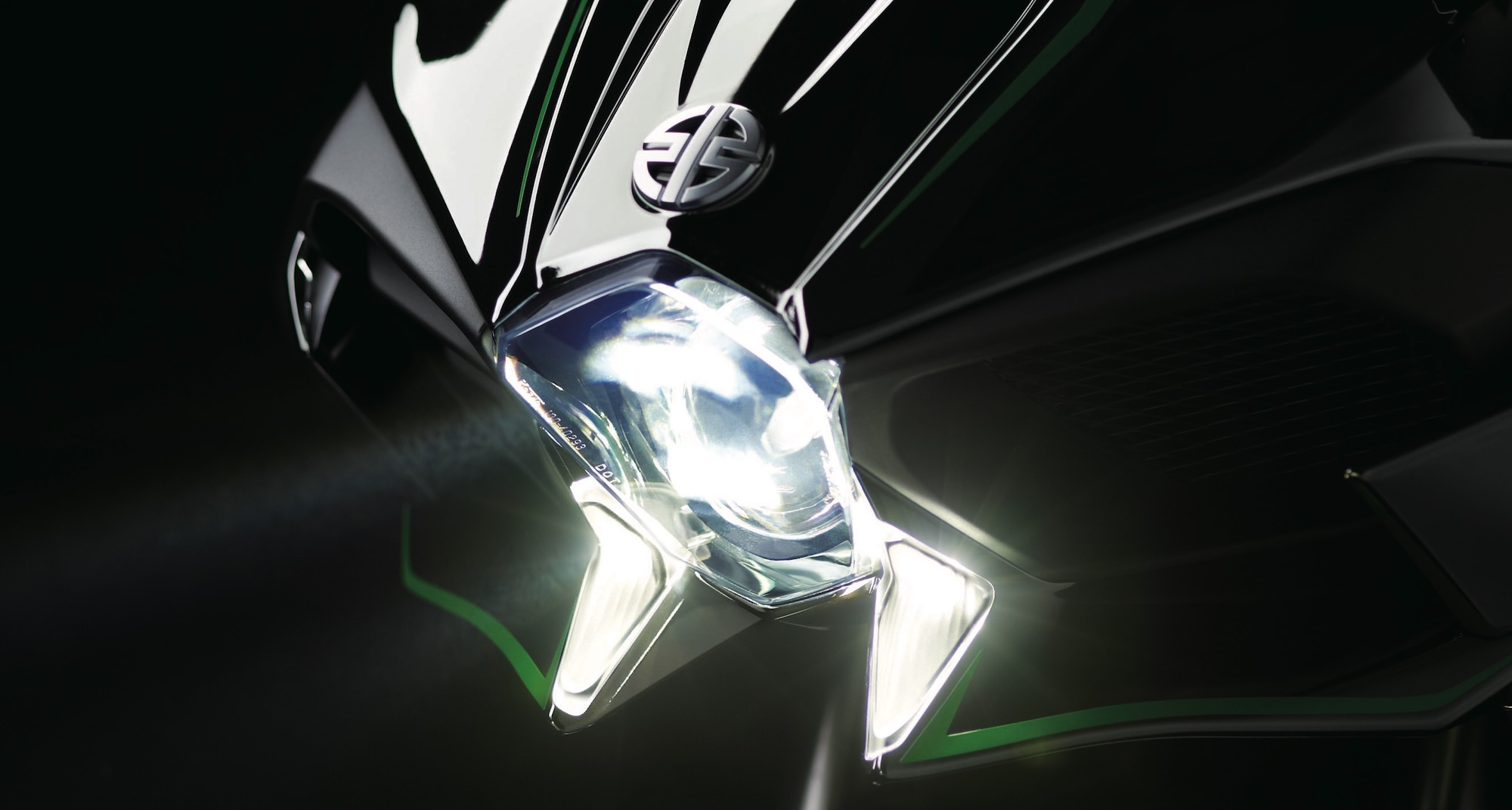
NOTE TO THE READER: Paddock spotters have also noticed Sunderland’s Triumph Tiger 1200 Rally Explorer of choice currently carries Red Bull-livery…. along with a revised mono-projector headlight and tweaked bodywork.
Could this be a big hint that Triumph might quietly be stress-testing a pre-production 2027 facelift on the ultimate torture test? Who knows, certainly not this writer…
Track Sam Sunderland’s live route progress and check out the full story over on Red Bull’s website.
Isle of Man TT Phases Out Super Twins In 2027 Rule List Roll-Out
“Balance of Performance” System to Even Out Bike Diversity while Cutting Race Costs
Those of us tied to the nearest available flat surface during the Isle of Man TT races will likely already be aware of the dangerous 37.73-mile Mountain Course – a winding and treacherous line that has long served the TT as the ultimate challenge in pursuit of top-tier road racing. What might have been missed, however, were the hints of changes coming down the pipeline to affect the Isle of Man’s 2027 racing year – and now that the rules list is out, we can say for certainty:
Starting 2027, Super Twins will no longer be able to complete in the Isle of Man.
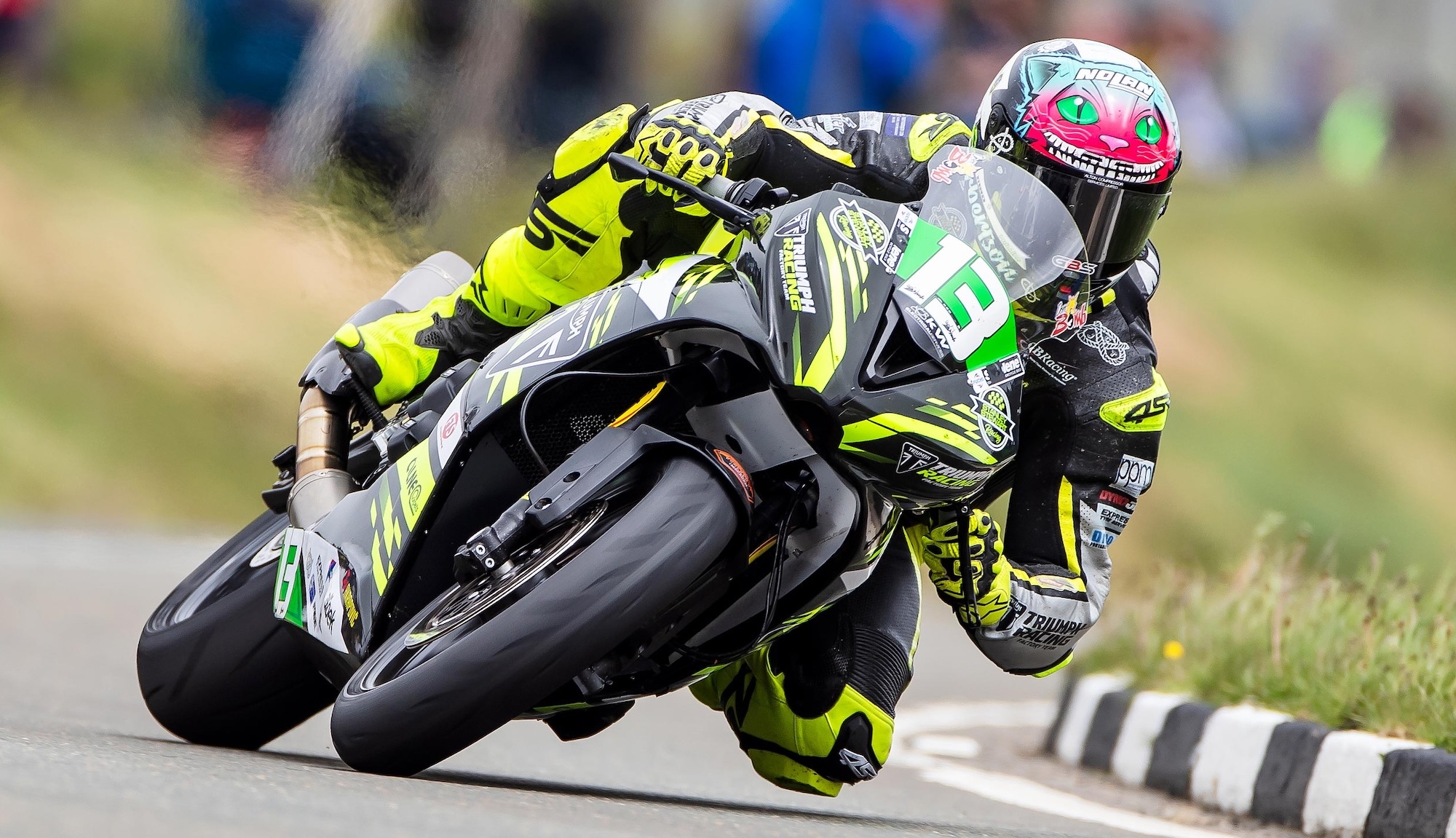
While the Supertwin category has anchored the TT’s middleweight program since 2012, whispers of finalized decisions appeared as far back as 2024. In 2026, while road-racing maestro Michael Dunlop swept up another victory on the legendary Paton S1-R, Dominic Herbertson proved the concept by piloting the KTS Macadam Triumph Daytona 660 to a 7th-place finish at nearly 120 mph average lap speeds.
Tighter Rulebooks and Technical Parity
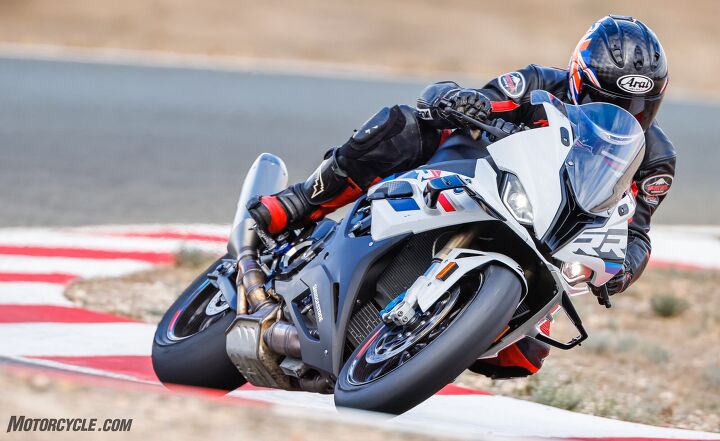
The gist of the new list of rules is this: Under the incoming 2027 technical framework, bespoke Supertwin-spec machines will no longer be eligible. Instead, the TT’s rulebook will align with the British National Sportbike Championship, governed by a proven Balance of Performance (BoP) formula.
If youre unfamiliar with this formula, don’t worry – it was new to us, too. Basically, BoP algorithms manage output, weight, and rev limits across different engine platforms, leveling the playing field for parallel-twins (like the Yamaha R7 and Aprilia RS660) and triples
(like the Triumph Daytona 660 and CFMoto 675SR-R). To handle continuous high-speed areas of the course like the Sulby Straight, some minor modifications to the fairings and frontal profile will be permitted in order to grant riders better wind protection (kind of like what has long been done in Superstock).
We’re told these new regulations even reach the Sidecar class, which is currently shifting away from traditional 600cc inline-fours and toward Sportbike-class powertrains under similar BoP formulas.
The Pros & Cons of the New TT Sportbike Era
Whenever a sanctioning body overhauls a decade-and-a-half of established racing heritage bits and bobs, the paddock perks split into two distinct camps of pros and cons.
Here is how we understand the new regulations will stack up for racers, privateers, and teams:
2027 Rulebook Pros:
- Racing will be cheaper for everyone. Supertwin rules gave tuners freedom, but that open concept inevitably drove up costs for one-off frame geometry, internals, and high-stressed engines. The tighter Sportbike envelope will end up keeping build costs more within reach for privateer outfits.
- OEMs want to spend money on the new Sportbike class. The production-based Sportbike class mirrors what’s available to the generic rider on modern showroom floors… so while OEM interest in bespoke Supertwins had previously waned, major manufacturers now want to back teams and inject factory support directly into the category.
- Younger riders will have easier access to the mountain course. By running identical technical guidelines to domestic British championships, younger riders will no longer need to step up to high-dollar 1000cc superbikes before hopping straight onto the Mountain Course.
- Money can’t control the TT outcome as easily. As Technical Director Dave Hagen pointed out, BoP limits the advantage gained purely by outspending the competition, returning the spotlight to machine setup and rider craft.
2027 Rulebook Cons:
- Engineering freedom becomes more limited. Supertwins stood as the final frontier where garage tuners, frame builders, and independent skunkworks teams could build wild, experimental specials from the ground up. That open prototyping culture is now gone.
- TT-Proven chassis are now obsolete. Proven, race-winning chassis (most notably the bespoke Paton S1-R packages that dominated six of the last eight encounters) are rendered moot on the island, leaving established teams with heavy capital write-downs.
- Political squabbling will see a jump over the next little while. Balancing twins and triples via software, restrictors, and weight ballast rarely satisfies everyone. BoP systems frequently bring bureaucratic back-and-forth over parity adjustments from practice week straight through race day, and we expect this will ring true into the following year.
The full technical rulebook for the 2027 Isle of Man TT is scheduled to drop in November 2026. Stay sane and keep an eye out!
Read the complete regulatory announcement directly on the official Isle of Man TT Portal.