

rewrite this content and keep HTML tags
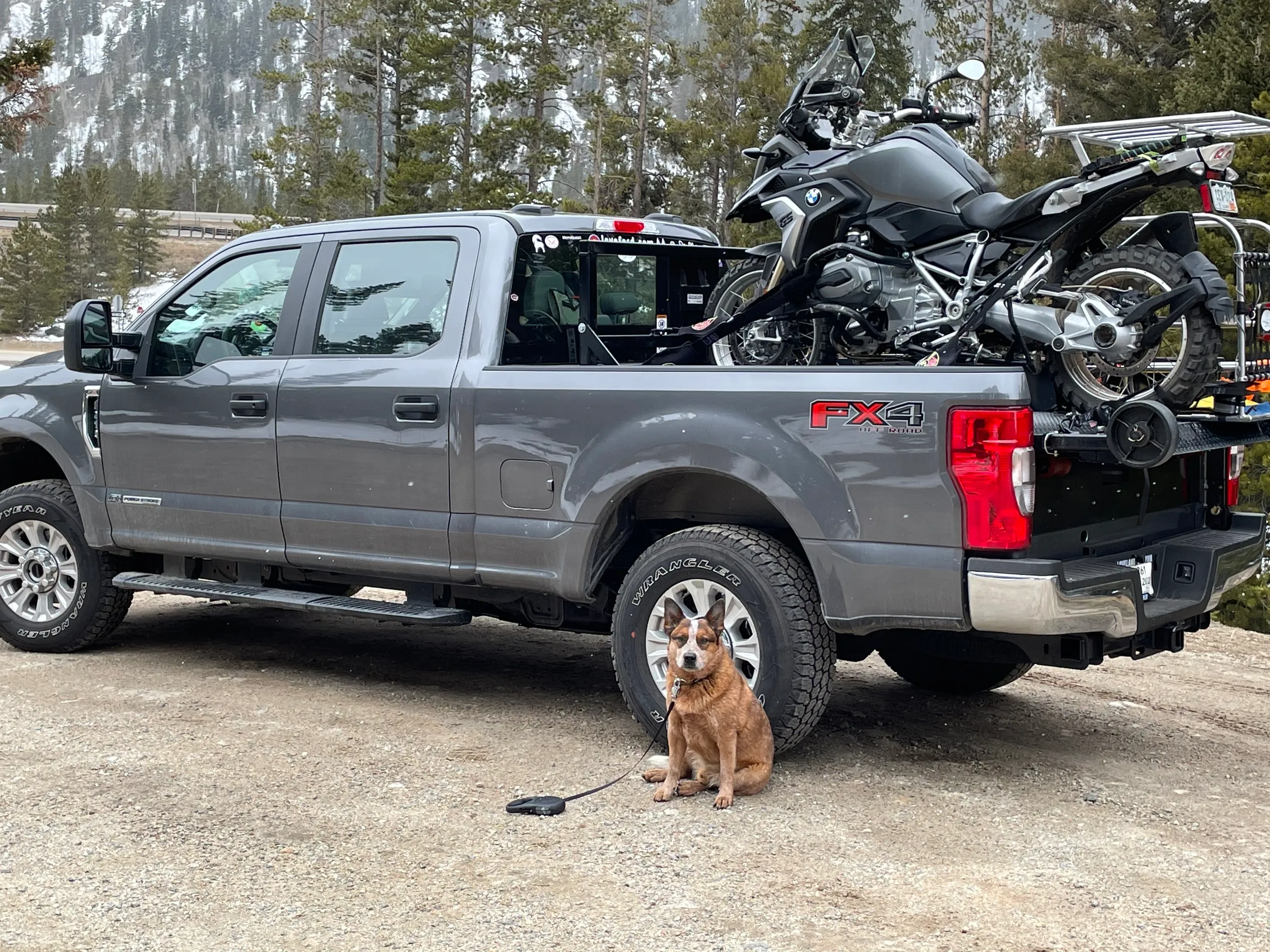
Buying your first motorcycle usually comes with a list. Helmet, gloves, jacket, maybe a battery tender, a cover and a box of tools you don’t know how to use yet. What usually doesn’t make the list is anything for the pickup that brings the motorcycle home. That changes quickly on pickup day.
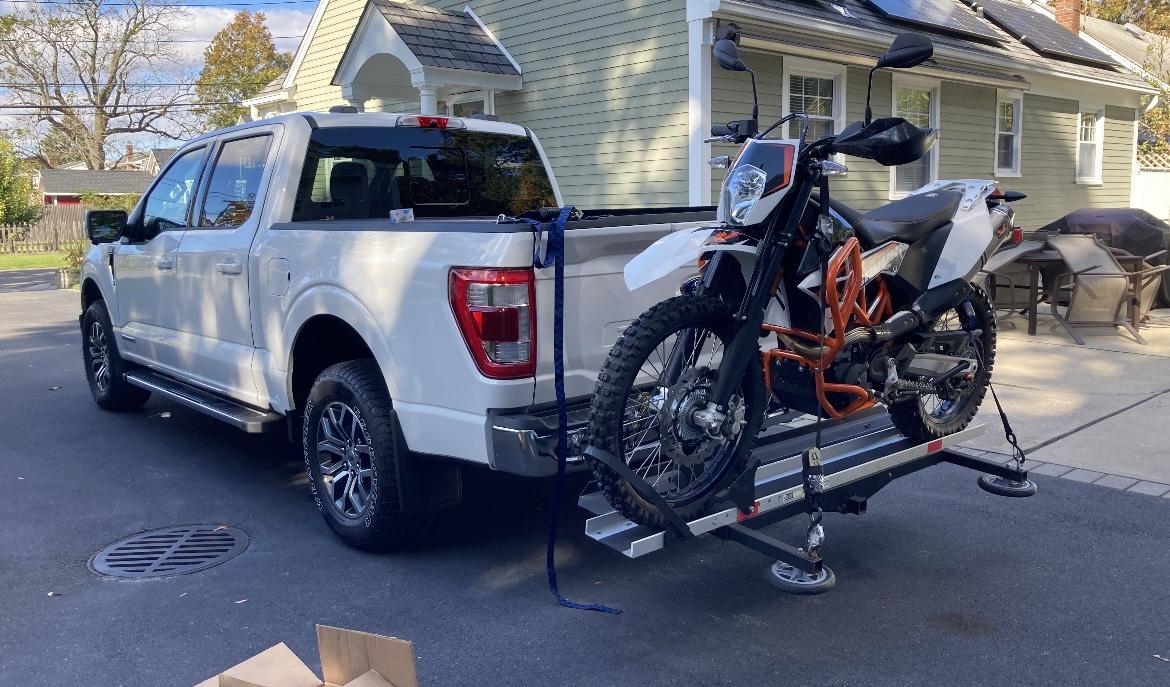
For many riders, a half-ton pickup like the Ford F-150 becomes part of the motorcycle ownership experience. It stops being just a daily driver and turns into the vehicle that carries bikes, riding gear, tools and everything else that comes with owning a motorcycle. Bringing home a first bike, driving to a riding course or recovering a motorcycle after an unexpected problem all put the truck to work, and it usually handles the mess before and after the ride.
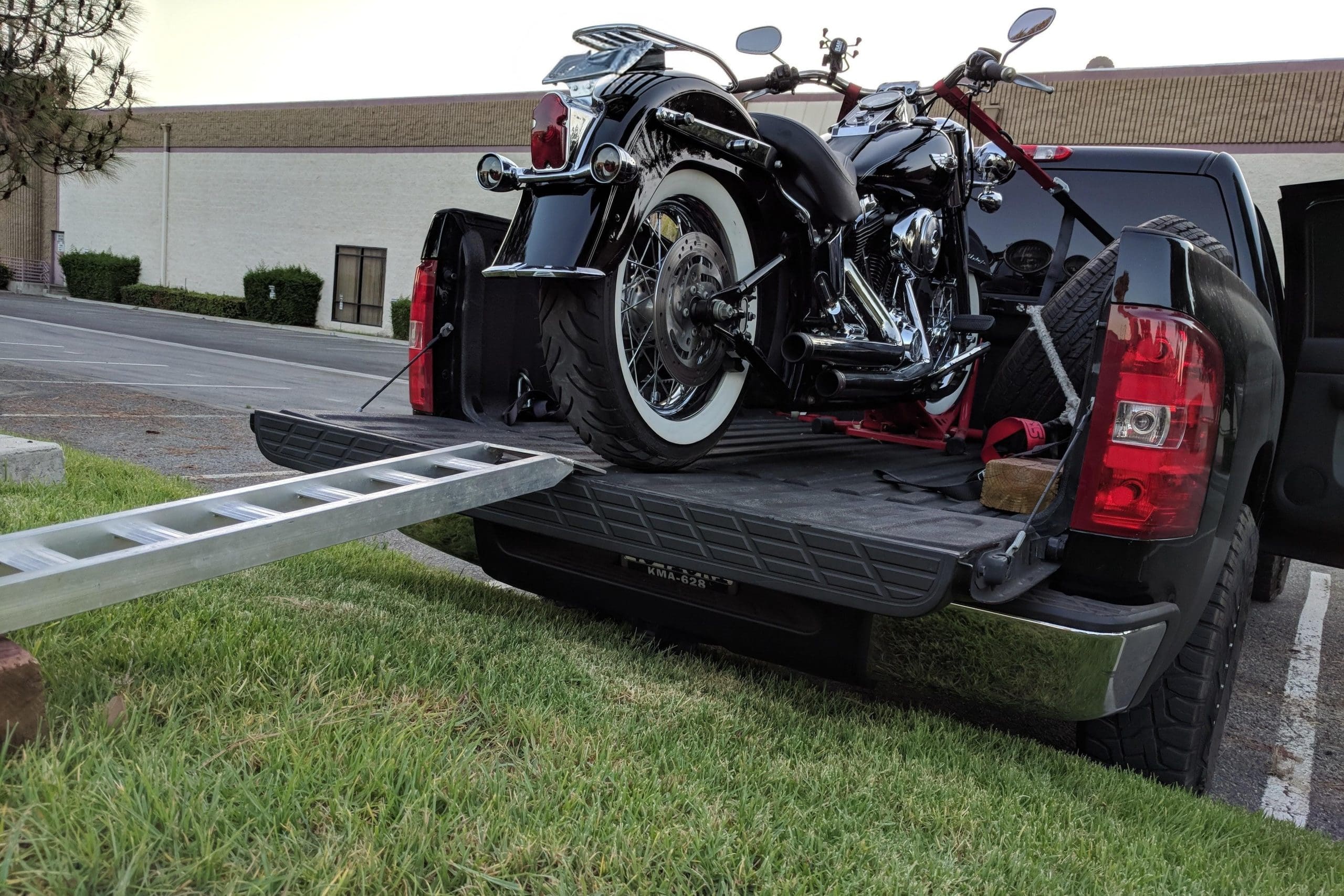
The bike is parked in someone’s gravel driveway. It rained the night before, and you spend an hour walking between the truck and the motorcycle carrying ramps, straps, paperwork, spare parts and a chain lock that looks like it spent the last ten years at the bottom of a lake. Before the motorcycle even reaches the truck bed, the cab is already taking the hit.
Mud comes off your boots near the pedals. Wet straps land on the rear floor. Gravel gets carried inside every time someone climbs in to move the truck. The seller hands you a greasy box of old parts, and naturally that ends up behind the passenger seat. The motorcycle gets strapped down and brought home safely, and the truck floor looks like it bought a motorcycle too.
Pickup Day Is Messier Than It Looks
 Credit: F150gen14
The mess from hauling a motorcycle is rarely dramatic. Nobody opens the door and finds six inches of standing water. It’s smaller than that. Mud sits around the edge of the driver’s footwell, fine gravel collects beside the seat rail and water hides underneath a mat that looked dry from above.
Then there is the rear floor, which is where the tie-downs, jackets, tools, helmets, spare parts and dirty shoes end up. If you brought someone to help, there is a good chance they climbed into the back seat without thinking about what was stuck to their boots. The same problem continues well beyond the first motorcycle purchase. Adventure riders, dirt bike owners and weekend riders use their trucks for trail trips, riding courses, track days and longer rides, and while the bike may stay outside the cab, helmets, boots, tools and riding equipment usually do not.
Factory carpet mats are fine for normal commuting, and motorcycle pickup day is not normal commuting. Carpet absorbs moisture, holds onto fine dirt and protects only the relatively flat area directly beneath it. The outer edges of the footwell stay exposed, which is exactly where mud and water get pushed when you climb into the truck. By the time you notice what got underneath, the dirt has already been pressed into the factory carpet.
Universal Mats Solve Half the Problem
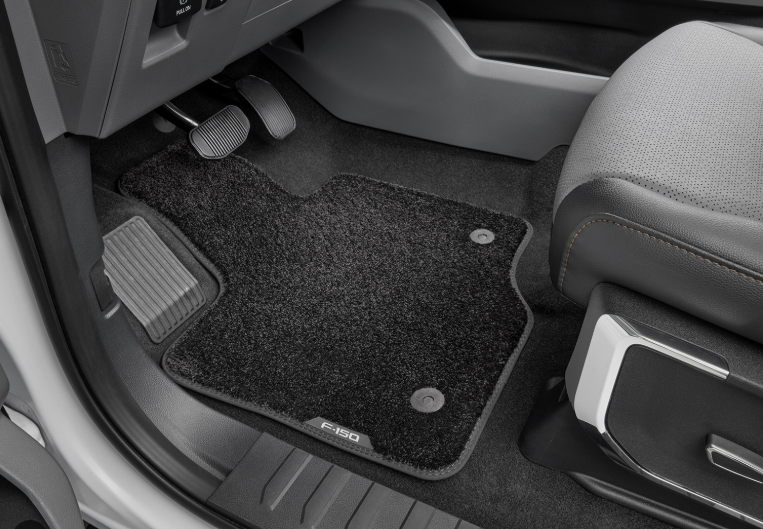
The obvious solution is a rubber mat from the auto parts store, and that is better than carpet. Rubber doesn’t absorb the first muddy footprint that lands on it, and it can usually be pulled out and rinsed. The problem is that a universal mat is designed to fit dozens of different vehicles. To make that possible, it covers the easiest part of the floor and ignores the difficult parts, stopping short near the door sill, leaving the outer footwell exposed or sitting flat while water runs over the edge.
The rear is usually worse. Two small universal mats might protect the areas directly beneath the passengers’ feet, but motorcycle gear doesn’t stay inside those neat rectangles. Straps get dropped across the middle, tool bags slide around, and wet jackets and dirty boots end up on the center hump between the seats. A universal mat gives the mess a target. A vehicle-specific liner gives it somewhere to stay.
Why Custom Fit Matters in an F-150
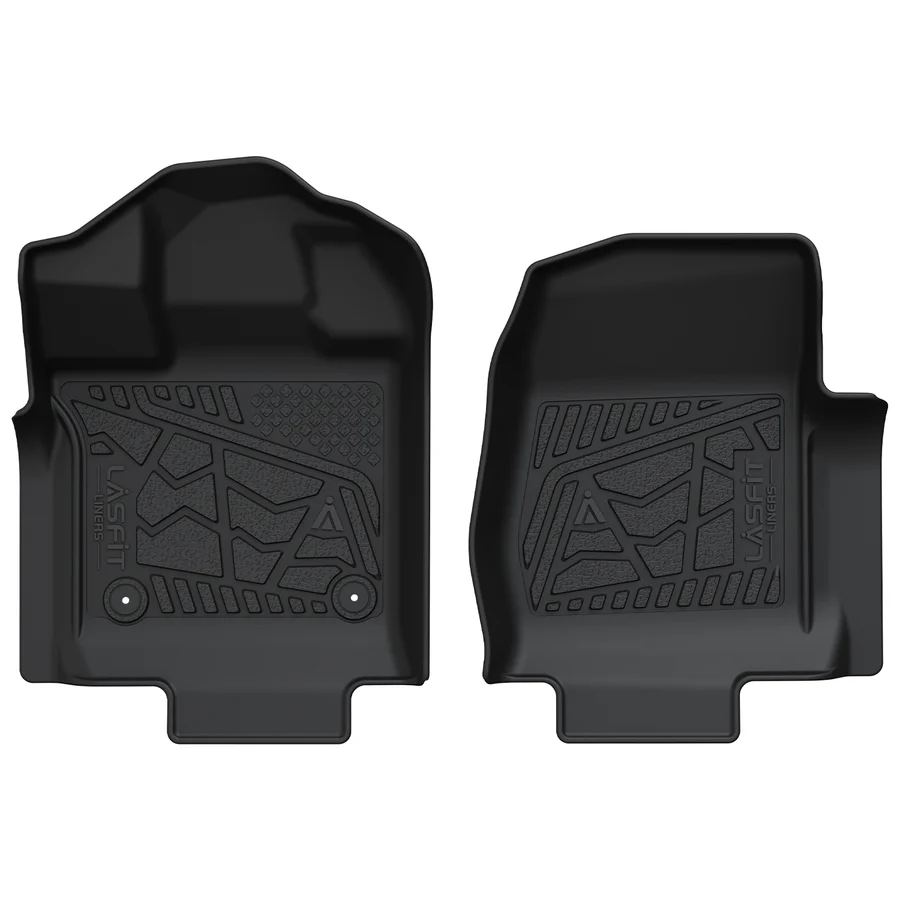 Credit: Lasfit
The phrase “custom fit” gets used often, but the useful part of it is simple: the liner should follow the actual floor instead of asking the floor to match the liner. Ford F-150 interiors are not all the same. Model year, cab style, flooring, front-seat layout, factory retention points and rear under-seat storage can all change the shape of the floor.
That is why many owners look for vehicle-specific protection instead of a universal solution. A liner designed for the correct F-150 configuration can reach farther into corners, follow floor contours and cover areas that flat mats leave exposed. It is also why Lasfit organizes its F150 floor mats by vehicle and interior configuration instead of offering one generic design for every truck.
The difference becomes obvious as soon as a wet boot lands near the door. On a flat universal mat, the water reaches the edge and keeps going. On a molded liner, raised edges and channels give the runoff somewhere to collect until the liner is pulled out. What matters is whether the dirt stays on the liner when the truck is actually being used, not how rugged the mat looks in a product photo.
What Makes a Proper All-Weather Floor Liner Different
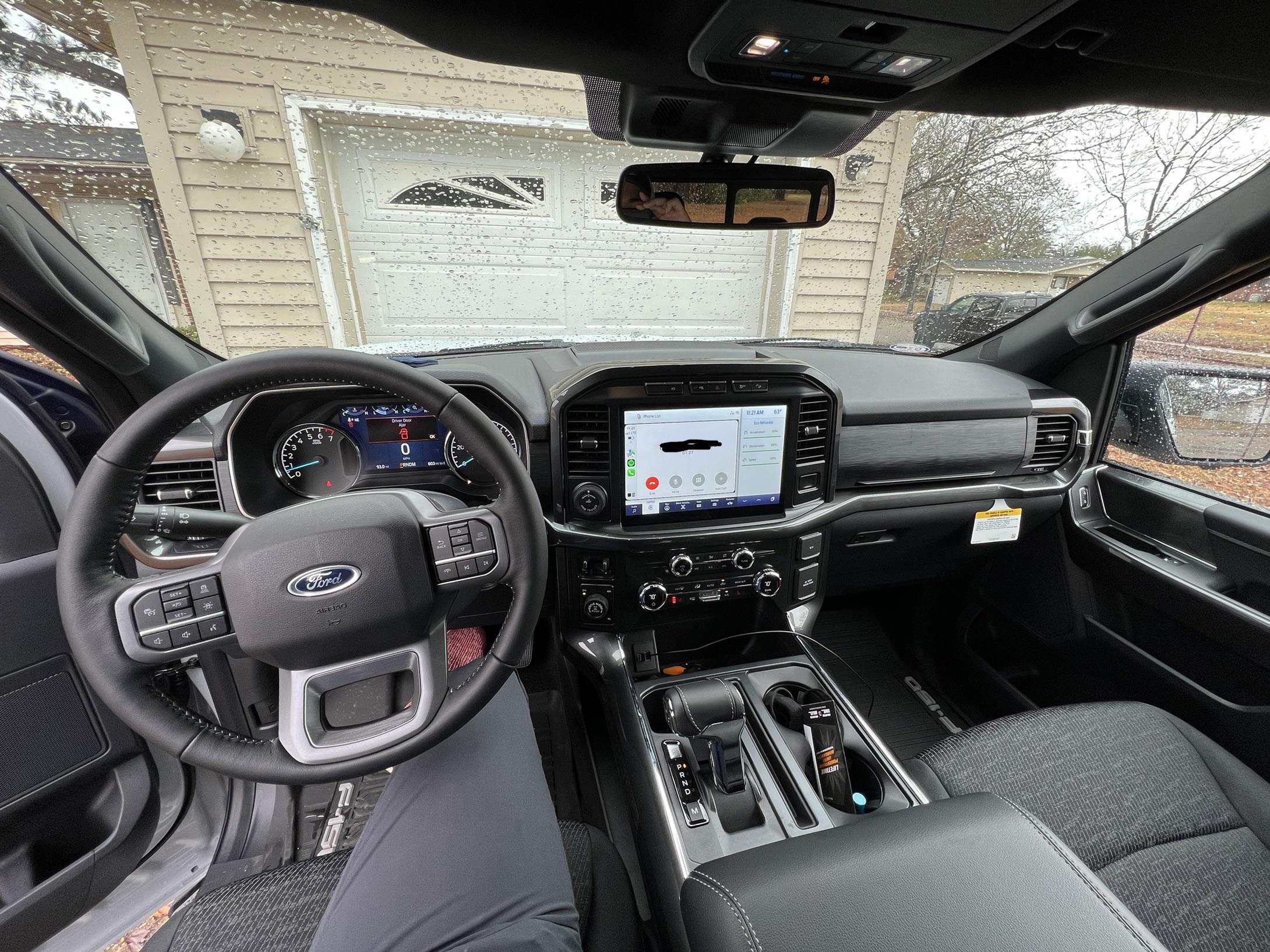 Credit: r/F150
Vehicle-specific floor liners are designed around the actual shape of a truck’s interior rather than a universal template. For compatible carpet-floor and first-row bucket-seat configurations, Lasfit’s 2026 f150 floor mats are shaped using 3D vehicle-floor measurements to match the contours of the F-150 interior. The front liners follow the shape of the footwells, while raised edges and molded channels help contain mud, rainwater, loose gravel and the dirt that comes off straps and riding gear. Unlike carpet mats, which hold moisture and fine dirt, all-weather liners are made to be removed, cleaned and put back into service after messy trips.
The anti-slip backing and vehicle-specific shape matter for another reason. A floor mat moving around is annoying during normal driving. A mat shifting toward the pedal area while there is a motorcycle standing in the truck bed is a different kind of problem. Fitment still needs to be checked, so a 2026 F-150 owner should confirm cab style, floor material, seat layout and rear storage configuration rather than buying by model name alone. Custom fit only works when the correct custom fit is selected.
The Rear Floor Deserves More Attention
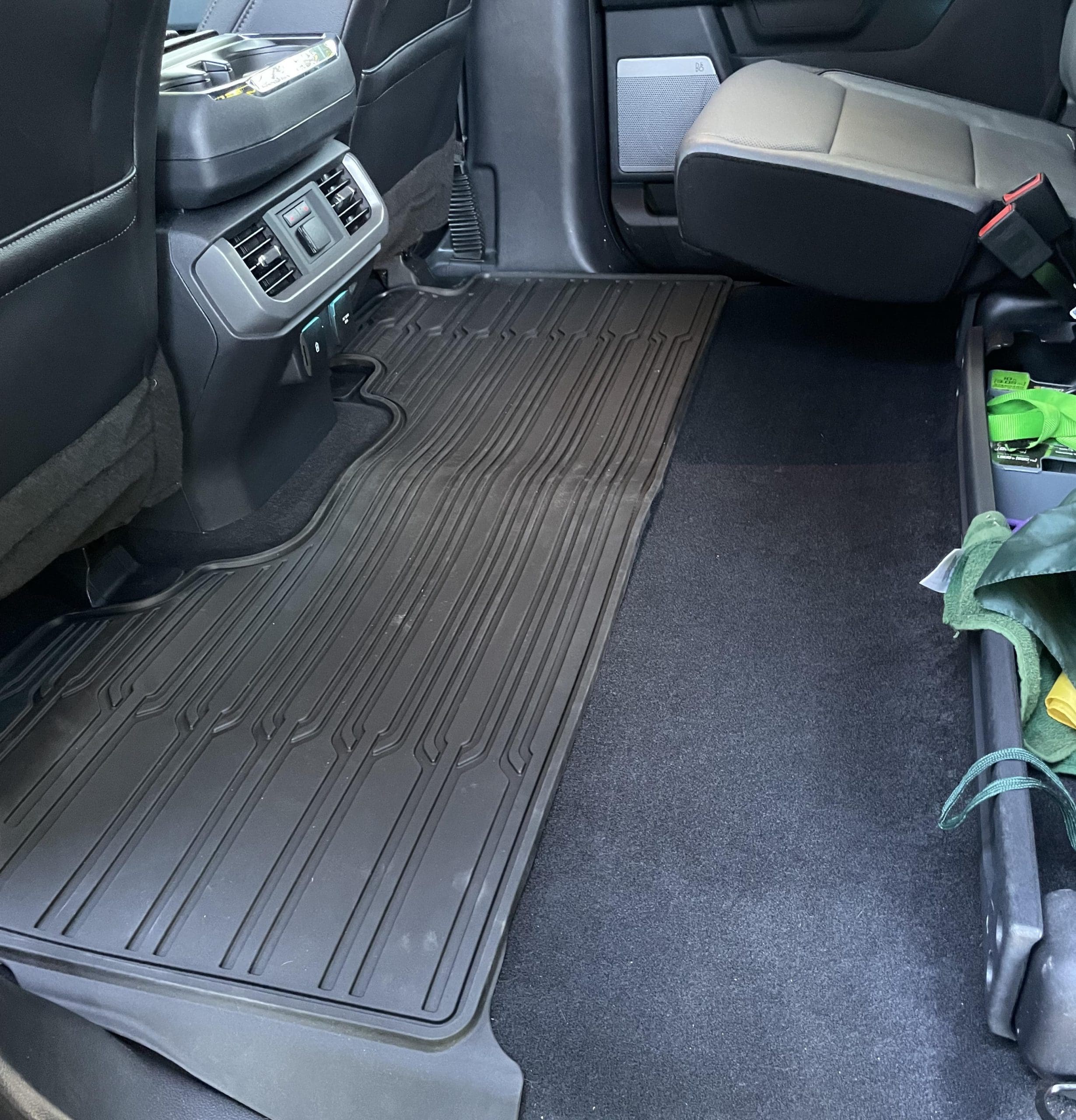 Credit: r/F150Lightning
Most owners focus on the driver’s side because that is where the muddy boots land, but the rear floor is where the motorcycle equipment ends up. A helmet may stay on the seat. The rest of the gear usually does not, and tie-downs, soft loops, gloves, tool bags, spare parts, rain gear and dirty shoes get dropped wherever there is space.
A rear liner that follows the truck’s floor gives all of that equipment a protected surface, and full coverage across the rear floor is especially useful because straps and bags tend to slide toward the middle during the drive home. This is also where the difference between a fitted liner and two small universal mats is easiest to see. With universal mats, the gear sits partly on the mats and partly on the exposed floor between them. With proper rear coverage, it all stays on the liner.
Throw an old blanket over the rear seat and the basic setup is done. The blanket takes the dirty jacket and helmet, and the floor liner takes the boots, straps and tool bags. Nothing about it is complicated. It simply gives the mess somewhere better to go.
Cleanup Should Not Become Another Project
 Credit: r/Dualsport
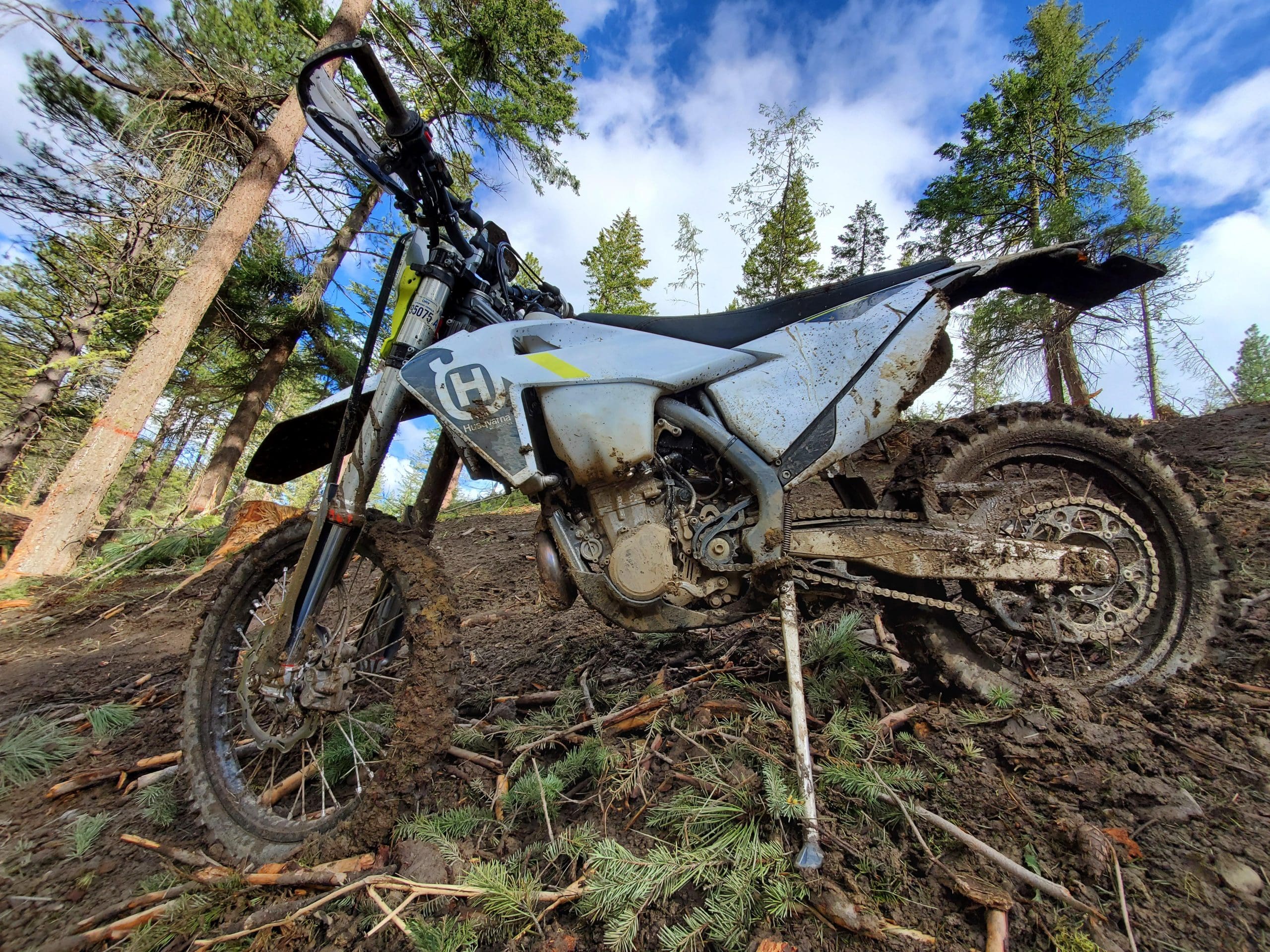
After bringing home a motorcycle, the last thing most people want to do is detail the truck, and that is the real advantage of a molded all-weather liner. Shake out the loose gravel, pull the liner, rinse off the mud, let it dry and put it back. The cleanup takes a few minutes because the dirt never became part of the carpet.
That matters even more after the first pickup day. Once you own the motorcycle, the truck starts doing more motorcycle-related work than expected. It carries gear to a riding course, brings the bike home when something breaks and hauls tools and parts, and it becomes the place where wet jackets and dirty boots go after a weekend ride. The floor protection stops being something you bought for one muddy driveway and becomes part of the motorcycle-hauling setup.
A Cleaner Truck for the Next Ride
The best time to think about the truck floor is before the motorcycle is sitting in someone else’s driveway waiting to be collected. Install the correct liners, put a blanket over the rear seat and bring a plastic bin for greasy parts and wet equipment. Then go get the bike.
The pickup will still be awkward. The ramp will still feel steeper than it looked online, and one strap will probably need to be adjusted three times before anyone agrees that the motorcycle is secure. But when everything is finally home, at least the truck cleanup will be simple. Pull out the liners, rinse away the evidence and go look at the motorcycle you just bought.